
The crypto market can feel like a rollercoaster—one day you’re up 20%, the next you’re staring at a sea of red. If you’re asking yourself why is crypto down, you’re definitely not alone. It’s one of the most searched financial questions whenever prices start sliding.
Crypto downturns don’t happen randomly. Behind every dip, correction, or crash lies a combination of economic pressure, investor psychology, regulatory headlines, and sometimes pure panic. Understanding why is crypto down today matters because it helps you avoid emotional decisions, manage risk wisely, and see whether this is fear—or opportunity.
Let’s unpack what’s really going on beneath the charts and headlines.

What Does It Mean When Crypto Is Down?
When people ask why is crypto down, they usually mean prices across major cryptocurrencies—Bitcoin, Ethereum, and altcoins—are falling simultaneously. This often reflects:
• A market-wide correction
• A liquidity squeeze
• Negative macroeconomic developments
• Regulatory fears
Crypto is known for volatility. A 10% drop in traditional markets is alarming; in crypto, it can be a Tuesday.
Why Is Crypto Down Today? Key Immediate Triggers
Breaking News Events
Crypto reacts fast. A single headline—such as exchange investigations, ETF delays, or security breaches—can trigger sell-offs within minutes. When traders see uncertainty, they move to cash or stablecoins.
Large Liquidations
If Bitcoin drops below key technical levels, leveraged traders get liquidated automatically. This creates cascading sell pressure. In highly leveraged markets, even small dips can snowball into dramatic declines.
Whale Movements
When large holders (often called “whales”) move massive amounts of Bitcoin to exchanges, it signals potential selling. Traders watch blockchain activity closely, and fear spreads quickly.
So if you’re wondering why is crypto down today, it’s often a combination of technical triggers and emotional reaction.
Macroeconomic Forces Affecting Crypto Prices
Crypto doesn’t exist in isolation. It’s deeply connected to global economics.
Interest Rate Hikes
When central banks raise interest rates, risk assets usually fall. Higher rates mean safer returns in bonds and savings accounts. Investors shift money away from volatile assets like crypto.
Inflation Data
Surprisingly, high inflation doesn’t always boost Bitcoin—even though it’s called “digital gold.” In reality, inflation often leads to tighter monetary policy, which pressures crypto prices.
Stock Market Correlation
Bitcoin has shown strong correlation with tech stocks like those in the Nasdaq. If equities drop sharply, crypto often follows.
Macroeconomic stress is one of the biggest reasons why is crypto down during broader financial turbulence.
Regulatory News and Government Pressure
SEC and Global Regulations
Whenever governments announce investigations, lawsuits, or new crypto rules, uncertainty spreads. Markets hate uncertainty.
For example:
• Exchange restrictions
• Taxation clarity (or lack of it)
• Stablecoin regulations
• Mining bans
Even rumors can cause short-term declines.
International Policy Shifts
If major economies tighten crypto rules, capital may temporarily exit the market. On the other hand, supportive policies often spark rallies.
Institutional Investors and Market Liquidity
Institutions play a much bigger role now than they did five years ago. Hedge funds, ETFs, and publicly traded companies hold significant crypto reserves.
When institutions reduce exposure during risk-off environments, markets feel it.
Lower liquidity means:
• Bigger price swings
• Wider spreads
• Increased volatility
This liquidity crunch often explains why is crypto down during global uncertainty.
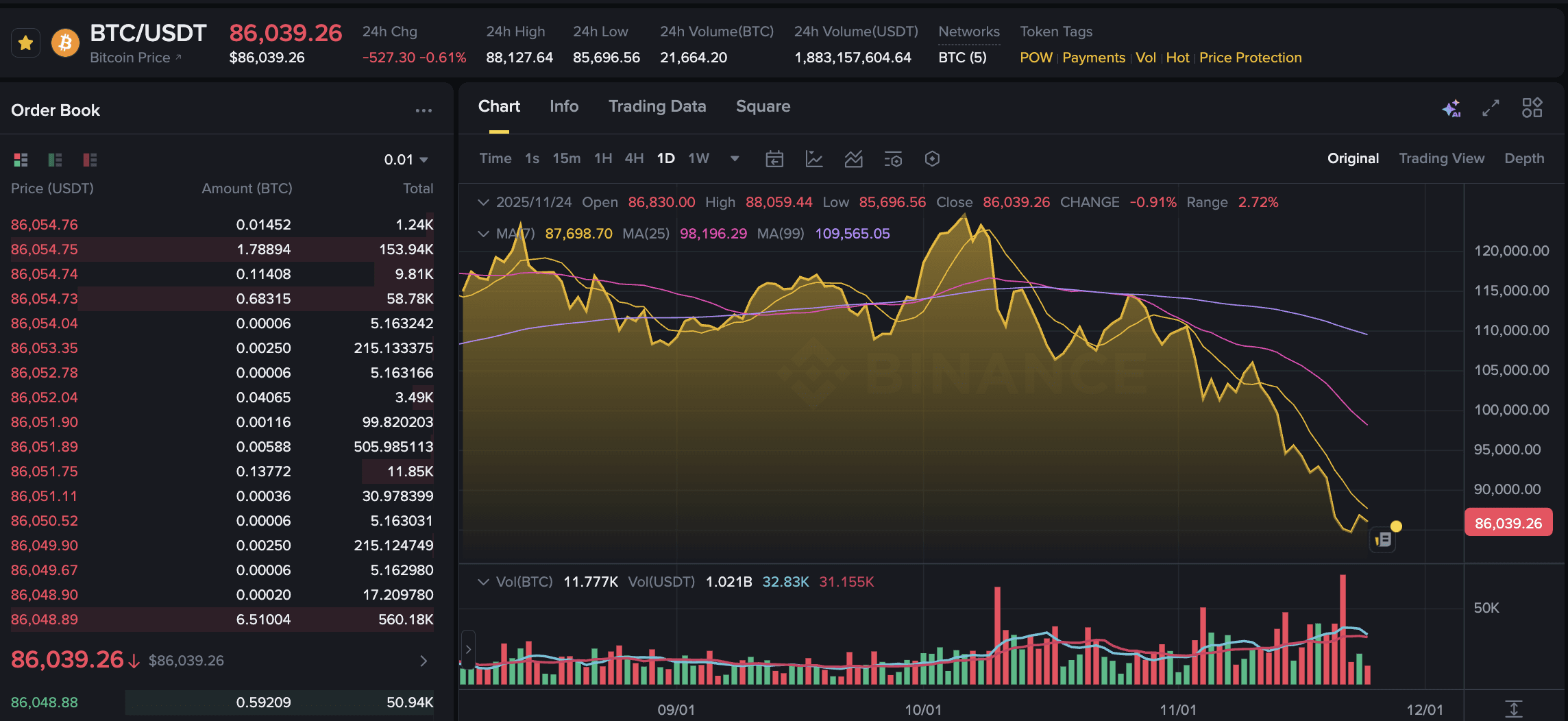
Bitcoin’s Role in the Broader Crypto Decline
Bitcoin is the market leader. When Bitcoin drops sharply, altcoins usually fall even harder.
Bitcoin Dominance
If Bitcoin dominance rises during a downturn, it often means investors are fleeing risky altcoins and consolidating into BTC.
Mining Economics
Mining profitability affects supply pressure. When prices fall below mining cost thresholds, miners may sell reserves to stay operational. That adds to downward momentum.
Altcoins, Leverage, and Liquidations
Altcoins amplify volatility. Smaller market caps mean less liquidity.
When Bitcoin drops 5%, some altcoins drop 15–20%.
Leveraged Trading
Many traders use borrowed funds. When prices fall:
- Positions get liquidated
- Automated selling accelerates
- Fear intensifies
This cascade effect is a powerful contributor to why is crypto down during sharp corrections.
Market Psychology: Fear, Panic, and Herd Behavior
Markets are emotional machines.
Fear Index
The Crypto Fear & Greed Index often plunges into “Extreme Fear” during downturns. Historically, these periods have sometimes marked long-term buying opportunities.
Social Media Influence
FUD (Fear, Uncertainty, Doubt) spreads fast on Twitter and Reddit. Panic posts amplify volatility.
In reality, short-term sentiment often exaggerates underlying fundamentals.
Personal Background: How Major Crypto Leaders Influence the Market
The crypto market is heavily influenced by key figures.
Bitcoin’s Creator: Satoshi Nakamoto
The mysterious creator of Bitcoin introduced the concept of decentralized digital money in 2009. While Satoshi’s identity remains unknown, their estimated holdings (around 1 million BTC) would make them one of the wealthiest individuals globally—worth tens of billions of dollars at peak prices.
Ethereum’s Founder: Vitalik Buterin
Vitalik co-founded Ethereum in 2015. His innovations in smart contracts reshaped blockchain utility. His estimated net worth fluctuates dramatically with ETH prices, often reaching into the billions during bull markets.
Statements or actions from influential figures can impact sentiment, which sometimes answers why is crypto down or up on a given day.

Is This a Crash or a Correction?
Not every dip is a crash.
• Correction: 10–20% pullback
• Bear Market: 20%+ prolonged decline
• Crash: Rapid, panic-driven selloff
Understanding the difference helps you interpret why is crypto down more rationally.
What History Tells Us About Crypto Downturns
Crypto has experienced multiple severe downturns:
• 2013 crash: ~80% decline
• 2018 bear market: Bitcoin fell over 84%
• 2022 drawdown: Triggered by macro tightening and exchange failures
Each time, the market eventually recovered—though timelines varied.
History suggests volatility is part of crypto’s DNA.
Should You Buy, Sell, or Hold?
This depends on:
• Your risk tolerance
• Investment horizon
• Portfolio allocation
Short-term traders react to volatility. Long-term investors often focus on fundamentals and adoption trends.
When asking why is crypto down, also ask: has the underlying technology changed—or just sentiment?
FAQs
Why is crypto down suddenly overnight?
Crypto trades 24/7. Sudden drops often result from breaking news, liquidation cascades, or large whale transactions during low liquidity hours.
Why is crypto down when the stock market is up?
While correlated, crypto can decouple due to sector-specific news, regulatory announcements, or internal liquidity events.
Why is crypto down during inflation?
Inflation often leads to rate hikes, which pressure risk assets—including crypto.
How long do crypto downturns last?
They vary. Corrections may last days or weeks. Bear markets can extend over a year.
Does crypto always recover?
Historically, major cryptocurrencies have recovered after large downturns, but past performance doesn’t guarantee future results.
Is this a good time to invest?
That depends on your financial goals and risk tolerance. Many investors use dollar-cost averaging to reduce timing risk.
Conclusion
So, why is crypto down? The answer is rarely simple. It’s usually a mix of macroeconomics, regulation, institutional flows, technical triggers, and human emotion.
Crypto remains one of the most volatile asset classes in the world. That volatility can feel terrifying—but it’s also part of what attracts investors seeking growth.
Instead of reacting emotionally, focus on understanding the forces at play. Markets move in cycles. And sometimes, today’s fear becomes tomorrow’s opportunity.