
Introduction
For thousands of years, gold has fascinated humanity. From ancient kings and emperors to modern investors and jewelers, people have always prized this shimmering metal. Yet many people still wonder why is gold so valuable and why it has maintained its importance for thousands of years.
Gold is not just another metal. It carries deep cultural, economic, and scientific significance. Civilizations have used it as currency, stored it in vaults, crafted it into jewelry, and even embedded it into advanced electronics. That enduring demand raises an intriguing question: why does this particular metal hold such extraordinary value?
Understanding why is gold so valuable requires looking at several factors—its rarity, physical properties, historical importance, and role in the global economy. When all these elements come together, they explain why gold remains one of the most trusted assets in the world.

Understanding Gold’s Value
Before diving deeper, it helps to define what “value” means when discussing precious metals. Gold’s worth is not determined by a single factor. Instead, its value comes from a unique combination of scarcity, physical properties, historical trust, and global demand.
Unlike paper money that governments can print at will, gold is limited in supply. This scarcity gives it intrinsic value that people across different cultures recognize.
Key factors influencing gold’s value
- Natural rarity in the earth’s crust
- Durability and resistance to corrosion
- Long history as money and wealth storage
- High global demand for jewelry and investment
- Limited and costly mining processes
Each of these elements contributes to the long-standing perception of gold as a symbol of wealth and security.
Historical Reasons Why Is Gold So Valuable

History plays a huge role in explaining why is gold so valuable. Long before modern financial systems existed, civilizations already recognized gold as a symbol of wealth and power.
Gold in Ancient Civilizations
Ancient Egyptians considered gold the “flesh of the gods.” Pharaohs were buried with massive gold treasures because the metal represented immortality and divine power.
Similarly, ancient Mesopotamian, Greek, and Roman societies used gold to create coins, jewelry, and religious artifacts.
Gold’s visual beauty and resistance to tarnish made it perfect for ceremonial and royal uses.
Gold as Early Currency
By around 600 BCE, the kingdom of Lydia began minting some of the first standardized gold coins. These coins made trade easier and helped establish gold as a universal form of money.
Throughout history:
- Empires stored gold in treasuries
- Merchants used gold coins for international trade
- Nations built wealth through gold reserves
This long-standing trust built the foundation for gold’s modern financial importance.
Scientific Properties That Make Gold Precious

Another reason why is gold so valuable lies in its extraordinary physical and chemical properties.
Rarity in Nature
Gold is extremely rare. Scientists estimate that all the gold ever mined in human history would fit into a cube about 22 meters on each side.
Because of this scarcity, gold cannot easily flood the market.
Durability and Corrosion Resistance
Gold does not rust, tarnish, or corrode. Even after thousands of years buried underground, ancient gold artifacts remain almost perfectly preserved.
This durability makes gold ideal for storing wealth across generations.
Malleability and Workability
Gold is incredibly soft and malleable.
Just one gram of gold can be stretched into a sheet covering nearly one square meter. This property allows artisans to craft intricate jewelry and decorations.
Conductivity and Industrial Use
Gold is also an excellent conductor of electricity. Because it resists corrosion, it is used in:
- Smartphones
- Computers
- Satellites
- Medical equipment
These industrial uses contribute further to gold’s demand and value.
Economic Factors Behind Gold’s Worth
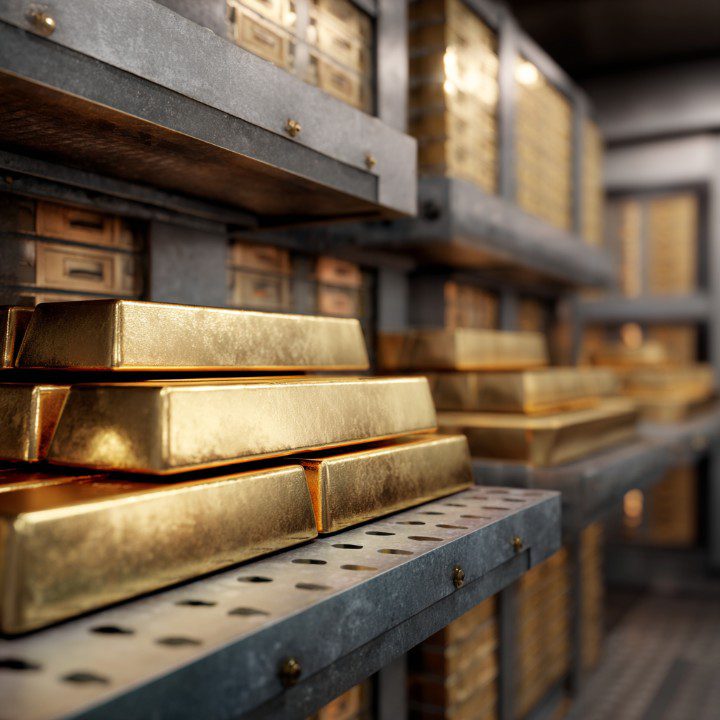
Modern economics provides another explanation for why is gold so valuable.
Gold serves as both a commodity and a financial asset.
Supply and Demand
The price of gold follows the basic rule of supply and demand.
Demand comes from:
- Jewelry markets
- Investment markets
- Central banks
- Technology industries
Meanwhile, supply grows slowly because mining gold is expensive and time-consuming.
Inflation Hedge
Investors often buy gold during periods of inflation. When paper currencies lose purchasing power, gold tends to retain its value.
That’s why many investors consider gold a “safe haven” asset.
Global Reserve Asset
Central banks around the world hold massive gold reserves.
Countries like the United States, Germany, China, and Russia store thousands of tons of gold to strengthen their financial stability.
Gold as a Global Store of Value
One of the biggest reasons why is gold so valuable is its reputation as a store of value.
Unlike many assets, gold maintains purchasing power over long periods.
For example:
- A Roman soldier’s gold coin could buy a fine tunic in ancient times.
- The same amount of gold today could buy a quality suit.
This remarkable consistency has helped gold maintain trust across centuries.
Why Investors Trust Gold
Gold offers several advantages:
- Protection during economic crises
- Hedge against currency devaluation
- Highly liquid global market
- Universal recognition of value
Because of these factors, gold remains a core part of many investment portfolios.

Gold in Technology and Industry
Although gold is famous for jewelry and investment, its industrial uses are increasingly important.
Electronics
Gold’s resistance to corrosion makes it ideal for electrical connections.
Modern devices using gold include:
- Smartphones
- Laptops
- Aerospace systems
- Medical implants
Even tiny amounts of gold can improve reliability in sensitive electronics.
Medical Applications
Gold nanoparticles are used in cutting-edge medical research.
Scientists are exploring gold for:
- Cancer treatment
- Diagnostic imaging
- Drug delivery systems
These emerging technologies may increase gold demand in the future.

Supply, Mining, and Scarcity of Gold
Gold mining is a complex and expensive process.
Major Gold Producing Countries
The world’s largest gold producers include:
| Country | Annual Production (approx.) |
|---|---|
| China | 330 tons |
| Australia | 320 tons |
| Russia | 300 tons |
| United States | 170 tons |
| Canada | 180 tons |
Mining companies must process huge quantities of rock to extract small amounts of gold.
Environmental and Cost Factors
Mining gold requires:
- Advanced equipment
- Skilled labor
- Significant energy resources
Because extraction costs are high, the supply of gold grows slowly. This limited supply reinforces its long-term value.
Cultural and Psychological Importance of Gold
Beyond economics and science, culture also explains why is gold so valuable.
Symbol of Wealth and Status
Across cultures, gold represents:
- Success
- Power
- Celebration
- Achievement
Gold medals, wedding rings, and royal crowns all reflect this symbolism.
Emotional Value
Gold jewelry often carries deep emotional meaning.
People pass gold down through generations as family heirlooms, strengthening its cultural significance.
Personal Background of Modern Gold Investors
Gold investors come from diverse backgrounds, but many share similar motivations.
Career Journey of Gold Investors
Professional investors often start in fields such as:
- Finance
- Economics
- Commodity trading
- Wealth management
Over time, they learn how gold markets respond to global economic events.
Achievements in the Gold Market
Successful investors often build portfolios including:
- Physical gold
- Gold ETFs
- Mining stocks
These strategies help diversify risk while benefiting from gold’s long-term stability.
Financial Insights and Net Worth Influence
Gold investors frequently use the metal as a hedge against market volatility.
For example:
- High-net-worth individuals often allocate 5–15% of their portfolios to gold.
- Institutional investors and central banks hold even larger reserves.
These strategies demonstrate how gold continues to shape financial planning.
The Future of Gold in the Global Economy
Gold’s role may evolve, but its importance is unlikely to disappear.
Growing Investment Demand
Economic uncertainty, inflation concerns, and geopolitical tensions often increase demand for gold.
As global markets fluctuate, many investors turn to gold as a protective asset.
Technology and Sustainability
New technologies may expand gold’s industrial applications, particularly in electronics and medical research.
At the same time, sustainable mining practices are becoming increasingly important.
FAQs
What makes gold more valuable than other metals?
Gold is rarer, more durable, and more widely trusted than most metals. Its resistance to corrosion and long history as money make it uniquely valuable.
Why has gold been valuable for thousands of years?
Civilizations have trusted gold as a symbol of wealth and currency for over 5,000 years. This historical trust reinforces its value today.
Is gold a good investment?
Gold can be a useful hedge against inflation and market volatility. However, investors should balance gold with other assets for diversification.
Why do central banks store gold?
Central banks hold gold reserves to stabilize national currencies and maintain financial security.
Does gold have industrial uses?
Yes. Gold is used in electronics, medical devices, aerospace technology, and advanced scientific research.
Why doesn’t gold lose value over time?
Gold is scarce, durable, and globally recognized as valuable. These qualities help maintain its purchasing power over long periods.
How rare is gold on Earth?
Gold is extremely rare. Scientists estimate that all the gold ever mined could fit inside a cube roughly 22 meters wide.
What affects the price of gold?
Gold prices change based on supply and demand, inflation, currency strength, interest rates, and geopolitical events.
Conclusion
The question why is gold so valuable has fascinated economists, scientists, and historians for centuries. The answer lies in a remarkable combination of factors: rarity, durability, cultural significance, and economic trust.
Gold’s unique physical properties make it useful in industry and technology, while its scarcity and historical role as money make it a powerful store of value. From ancient civilizations to modern financial markets, gold has consistently represented stability and wealth.
Even as technology advances and financial systems evolve, gold continues to hold a special place in the global economy. Its timeless appeal, universal recognition, and enduring scarcity ensure that gold will likely remain one of the world’s most valuable resources for generations to come.