
Introduction
Every successful business owner eventually faces a critical question: how can profits grow faster than sales? The answer often lies in understanding what is operating leverage and how it influences a company’s financial performance.
At its core, operating leverage explains how a company’s cost structure—specifically the balance between fixed and variable costs—affects profitability. When businesses understand how operating leverage works, they can predict how changes in sales impact profits. This insight is incredibly powerful for decision-making.
Think about a streaming service, a manufacturing plant, or even a software company. Many of their costs are fixed, meaning once those costs are covered, additional sales generate significantly higher profit margins. That phenomenon is exactly what operating leverage describes.
In this article, we’ll break down what is operating leverage in simple terms, explore formulas, real-world examples, and practical insights that help entrepreneurs, investors, and students truly understand how businesses scale profitability.
What Is Operating Leverage
The simplest way to understand what is operating leverage is to think of it as a measure of how sensitive a company’s operating income is to changes in sales.
Operating leverage occurs when a company uses fixed costs in its operations. These fixed costs remain constant regardless of sales volume. Once sales exceed a certain threshold, profits grow rapidly because the fixed costs have already been covered.
Simple Definition
Operating leverage measures how much operating income increases when sales increase.
In other words:
Higher fixed costs → higher operating leverage → larger profit changes when sales grow.
Key Concept
Businesses with higher operating leverage experience larger increases in profit when sales rise, but they also face greater risk when sales decline.
Infographic: Operating Leverage Concept

Why Operating Leverage Matters in Business
Understanding what is operating leverage is essential because it reveals how scalable a business model really is.
Some businesses grow profits slowly with increasing sales. Others experience explosive profit growth after passing a certain revenue threshold.
Operating leverage helps answer questions such as:
- How risky is a company’s cost structure?
- How will profits change if sales increase by 10%?
- Which businesses scale faster?
Example
Imagine two companies:
Company A
- High fixed costs
- Low variable costs
Company B
- Low fixed costs
- High variable costs
If sales rise dramatically, Company A will likely see profits increase faster because its fixed costs stay constant.
Fixed Costs vs Variable Costs Explained
To fully understand what is operating leverage, we need to examine two types of business costs.
Fixed Costs
Fixed costs remain constant regardless of production or sales.
Examples include:
- Rent
- Salaries
- Equipment
- Insurance
- Software licenses
Even if sales drop to zero, these costs still exist.
Variable Costs
Variable costs change based on production or sales volume.
Examples include:
- Raw materials
- Packaging
- Shipping
- Sales commissions
These costs increase as production increases.
Why This Matters
Companies with a high proportion of fixed costs have higher operating leverage.
Operating Leverage Formula and Calculation
The formula helps quantify what is operating leverage and measure its impact on profit.
Basic Operating Leverage Formula
Operating Leverage = Contribution Margin / Operating Income
Where:
Contribution Margin = Sales − Variable Costs
Operating Income = Contribution Margin − Fixed Costs
Example Calculation
Suppose a company has:
Sales: $500,000
Variable Costs: $200,000
Fixed Costs: $200,000
Contribution Margin:
500,000 − 200,000 = 300,000
Operating Income:
300,000 − 200,000 = 100,000
Operating Leverage:
300,000 / 100,000 = 3
This means a 10% increase in sales leads to roughly a 30% increase in operating income.
Degree of Operating Leverage (DOL)
Another important concept when discussing what is operating leverage is the Degree of Operating Leverage (DOL).
DOL measures how sensitive operating income is to changes in sales.
Formula
DOL = % Change in Operating Income / % Change in Sales
Example
If sales increase by 5% and operating income increases by 15%:
DOL = 15% / 5% = 3
A DOL of 3 indicates strong operating leverage.
Real-Life Examples of Operating Leverage
Understanding what is operating leverage becomes easier when we look at real industries.
Software Companies
Software firms typically have extremely high operating leverage.
Once the software is developed, selling additional copies costs almost nothing.
Examples include:
- SaaS platforms
- Mobile apps
- Digital subscriptions
Airlines
Airlines also have high fixed costs such as:
- Aircraft
- Maintenance
- Airport fees
- Staff salaries
Once flights are scheduled, filling more seats significantly increases profit.
Manufacturing Businesses
Factories require expensive equipment and facilities. These costs remain fixed regardless of production levels.
As production increases, cost per unit drops dramatically.
High vs Low Operating Leverage
Companies fall into two categories based on cost structure.
High Operating Leverage
Characteristics:
- High fixed costs
- Low variable costs
- Higher profit potential
- Higher financial risk
Examples:
- Software companies
- Streaming services
- Airlines
- Telecommunications firms
Low Operating Leverage
Characteristics:
- Lower fixed costs
- Higher variable costs
- Stable profit margins
- Lower risk
Examples:
- Retail stores
- Consulting businesses
- Restaurants

Advantages of Operating Leverage
When businesses understand what is operating leverage, they can strategically design scalable operations.
1. Faster Profit Growth
Once fixed costs are covered, additional revenue turns into profit much faster.
2. Economies of Scale
Higher production reduces cost per unit.
3. Competitive Advantage
Businesses with strong operating leverage can scale rapidly.
4. Strong Investor Appeal
Investors often favor companies with scalable cost structures.
Risks and Limitations of Operating Leverage
Despite its benefits, operating leverage also carries risks.
1. Revenue Volatility
Small sales declines can cause large profit losses.
2. High Fixed Expenses
Companies must pay fixed costs even during slow periods.
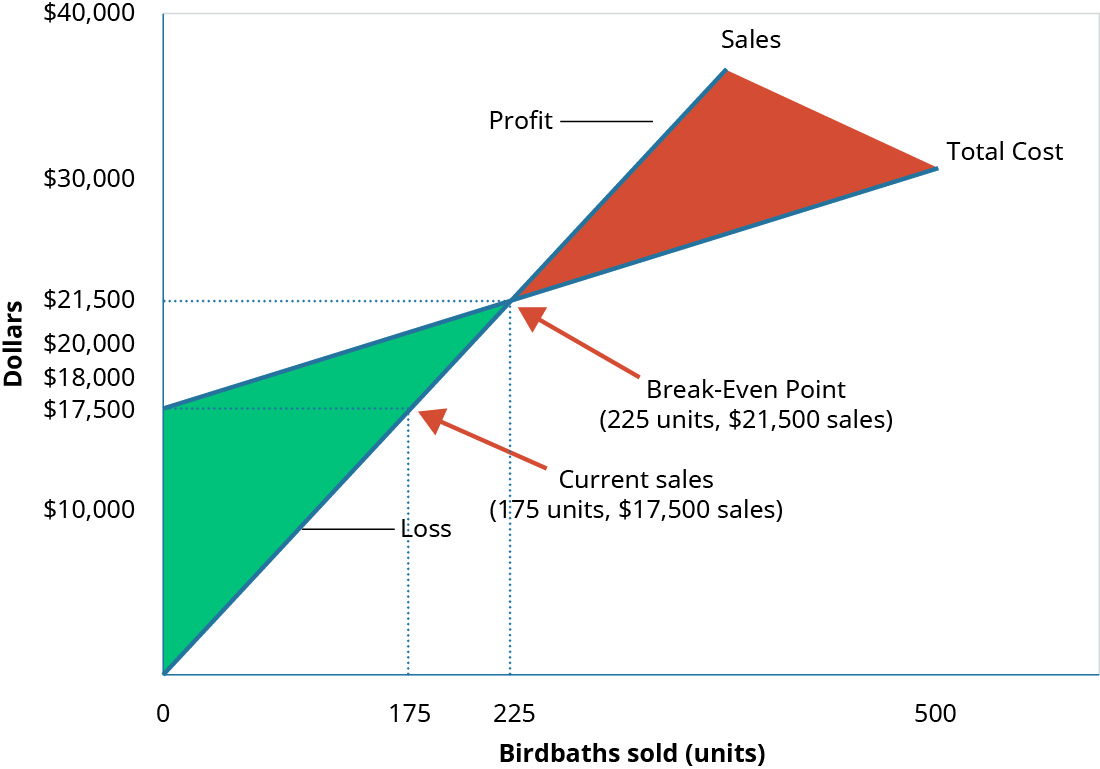
3. Break-Even Pressure
Businesses with high operating leverage require higher sales to break even.
Operating Leverage vs Financial Leverage
Many people confuse these two financial concepts.
Operating Leverage
- Related to fixed operating costs
- Impacts operating income
Financial Leverage
- Related to debt financing
- Impacts net income
Quick Comparison
| Feature | Operating Leverage | Financial Leverage |
|---|---|---|
| Based On | Fixed operating costs | Debt financing |
| Affects | Operating income | Net income |
| Risk Source | Sales fluctuations | Interest payments |
How Businesses Use Operating Leverage Strategically
Companies actively design operations around operating leverage.
Here are several strategies.
Automation
Automation increases fixed costs but reduces variable labor expenses.
Technology Investment
Software systems increase efficiency and scalability.
Subscription Business Models
Recurring revenue models maximize operating leverage.
Digital Products
Digital goods have extremely low variable costs.
Industry Examples of Operating Leverage
Some industries are famous for their operating leverage dynamics.
Technology
Tech companies invest heavily in development but benefit from near-zero distribution costs.
Streaming Platforms
Once content is produced, millions of users can access it with minimal extra cost.
Automotive Manufacturing
Car factories have massive fixed costs but lower variable costs per vehicle.
Hospitality Industry
Hotels have high fixed costs but benefit greatly when occupancy rises.
FAQ
What is operating leverage in simple terms?
Operating leverage measures how much profit changes when sales increase or decrease. It shows how fixed costs impact business profitability.
Why is operating leverage important?
Understanding what is operating leverage helps businesses predict how revenue growth affects profit and evaluate financial risk.
What is high operating leverage?
High operating leverage means a company has high fixed costs and lower variable costs, causing profits to increase rapidly when sales grow.
What industries have high operating leverage?
Industries like software, airlines, telecommunications, and streaming services typically have high operating leverage.
How is operating leverage calculated?
It is calculated using the formula:
Operating Leverage = Contribution Margin / Operating Income
What is Degree of Operating Leverage?
Degree of Operating Leverage (DOL) measures how sensitive operating income is to changes in sales.
Is operating leverage risky?
Yes. While it increases profit potential, it also magnifies losses when sales decline.
What is the difference between operating leverage and financial leverage?
Operating leverage relates to fixed operating costs, while financial leverage refers to the use of debt to finance operations.
Conclusion
Understanding what is operating leverage is crucial for anyone interested in business, finance, or investing. It reveals how a company’s cost structure influences profit growth and financial stability.
Businesses with high operating leverage can scale rapidly once fixed costs are covered. However, this same advantage can become a risk when revenue declines. That’s why successful companies carefully balance fixed and variable costs to achieve sustainable growth.
For entrepreneurs, mastering operating leverage helps design scalable business models. For investors, it provides insight into how companies will perform as sales rise or fall.
In the end, operating leverage isn’t just a financial formula—it’s a powerful concept that explains why some businesses grow profits exponentially while others struggle to scale.