
Introduction
In a world where headlines change by the minute and markets react in seconds, finding reliable financial journalism feels more important than ever. That’s where themarketperiodical.com enters the conversation—offering readers a steady stream of business news, stock market updates, and economic insights that cut through the noise.
Whether you’re an investor tracking global indices, a student studying financial trends, or an entrepreneur scanning the business landscape, understanding where your information comes from matters. Platforms like themarketperiodical.com aim to bridge the gap between fast-moving data and thoughtful analysis, delivering clarity in a space that often feels overwhelming.
Financial awareness is no longer limited to Wall Street professionals. Everyday readers now want deeper context, smarter insights, and accessible explanations of complex topics. This article explores what makes digital financial publications relevant today, how they operate, and why platforms such as themarketperiodical.com continue to gain attention among readers seeking credible business coverage.
The Evolution of Digital Financial Journalism
Financial journalism has transformed dramatically over the last two decades. Traditional print newspapers once dominated the industry, publishing daily stock tables and long-form economic reports. Today, digital-first platforms deliver updates in real time.
The shift has been driven by:
- Instant global connectivity
- Mobile-first consumption habits
- Demand for data visualization
- Social media distribution
- 24/7 market activity
Online publications like themarketperiodical.com operate in a space where speed and accuracy must coexist. Readers expect breaking news alerts, but they also expect context—why a policy change matters, how a corporate merger affects investors, or what global inflation signals for emerging markets.
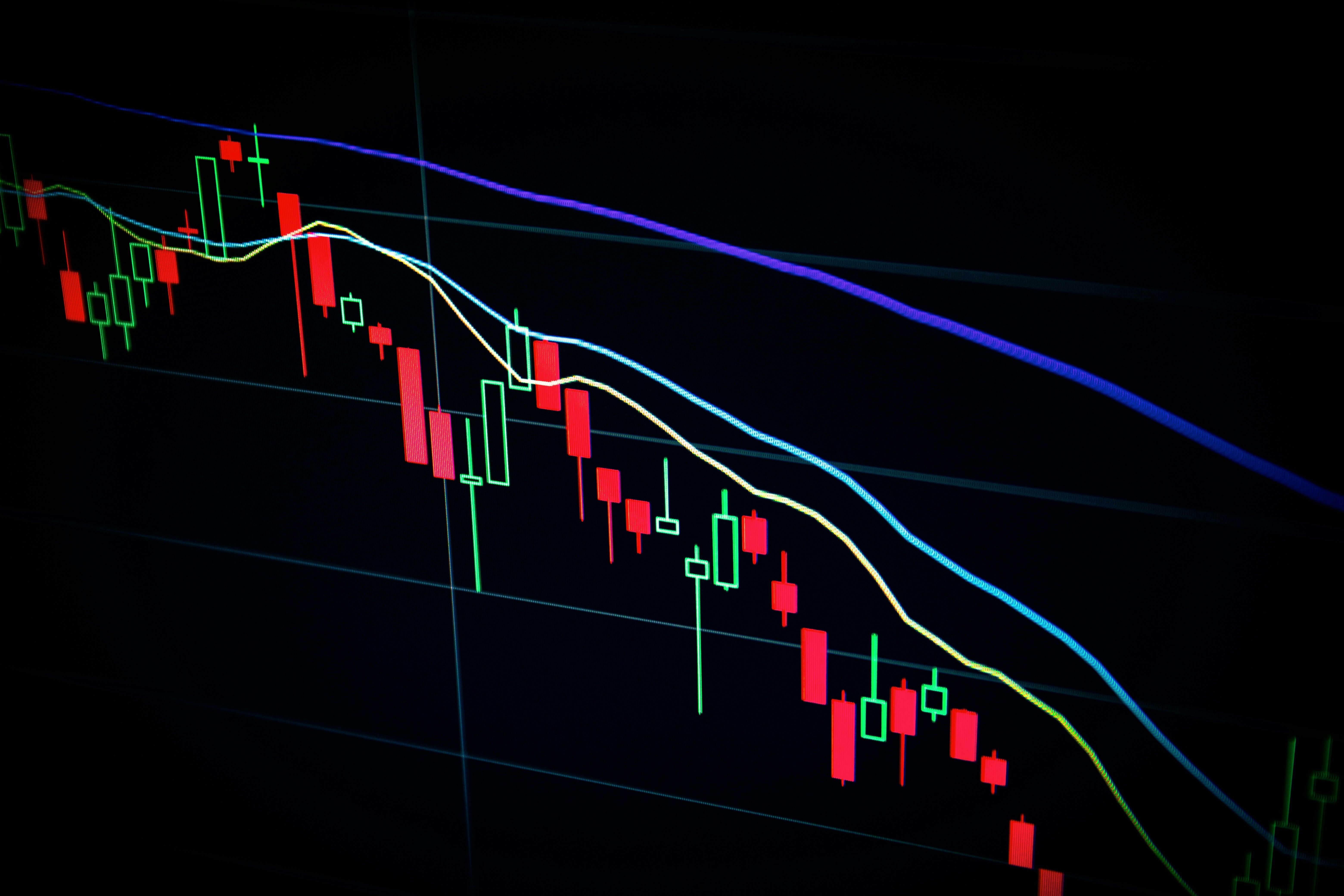
Digital platforms now integrate interactive charts, infographics, and expert commentary to make complex data easier to digest. The ability to combine narrative storytelling with analytical depth has become a defining feature of modern business journalism.
What Sets themarketperiodical.com Apart?
Real-Time Market Coverage
One of the most noticeable aspects of themarketperiodical.com is its commitment to timely updates. Markets move fast, and so does online reporting. From stock rallies to economic downturns, readers can access current developments without waiting for the next print cycle.
This immediacy matters because:
- Investors rely on rapid updates for decision-making
- Traders monitor sector shifts throughout the day
- Business professionals track competitor performance
- Students and researchers require up-to-date references
Timeliness builds trust—provided accuracy remains uncompromised.
Broad Business Perspective
Beyond stocks, themarketperiodical.com covers broader business themes:
- Corporate leadership changes
- Startup ecosystem trends
- Technology and fintech innovations
- Global economic policy shifts
- Industry-specific analysis
By expanding beyond traditional financial reporting, digital publications create a more holistic understanding of market forces.
Understanding Financial News in Today’s Context
Why Market News Impacts Everyone
Financial reporting is not just for investors. It influences:
- Consumer prices
- Employment trends
- Small business decisions
- Investment planning
- Retirement strategies
For example, when central banks adjust interest rates, the ripple effect touches mortgage borrowers, entrepreneurs seeking loans, and corporations planning expansion. Publications like themarketperiodical.com play a key role in explaining these ripple effects in language everyday readers can understand.
The Role of Data Interpretation
Raw numbers alone don’t tell the full story. Data requires interpretation. Readers need context:
- What caused the market dip?
- Is inflation temporary or structural?
- How do geopolitical tensions affect supply chains?
Analytical articles break down these questions, helping readers move beyond headlines.
Content Structure and Editorial Approach
Balanced Reporting
Strong financial journalism depends on objectivity. Balanced reporting includes:
- Data-backed claims
- Multiple expert perspectives
- Historical comparisons
- Clear citations of official sources
Readers value transparency. They want to know whether a piece is reporting facts, offering analysis, or presenting opinion.
Accessibility and Clarity
Complex financial terms can alienate readers. Publications that prioritize clarity gain a competitive edge. Instead of overwhelming readers with jargon, effective reporting:
- Defines economic concepts
- Uses real-world examples
- Breaks down technical language
- Provides summaries within sections
This approach allows both beginners and seasoned investors to engage with the same content.
The Importance of Reliable Online Financial Platforms
The digital age has introduced misinformation risks. Unverified blogs and sensational headlines can distort public perception. Reliable platforms, including themarketperiodical.com, work to maintain credibility through:
- Fact-checking procedures
- Editorial review systems
- Transparent sourcing
- Corrections policies
Trust is currency in financial journalism. Once lost, it is difficult to regain.
Professional reporting ensures that readers make informed decisions rather than reactive ones.
Market Trends and Global Coverage
Emerging Markets
Emerging economies increasingly influence global markets. Digital publications analyze:
- GDP growth rates
- Foreign investment flows
- Currency volatility
- Infrastructure development
Coverage of international developments helps readers understand how interconnected modern economies have become.
Technology and Fintech
Financial technology reshapes how people invest and transact. Topics often include:
- Blockchain innovation
- Cryptocurrency volatility
- Digital banking solutions
- AI-driven trading platforms
By exploring these themes, themarketperiodical.com reflects the dynamic intersection of finance and technology.
How Readers Benefit from In-Depth Analysis
Long-form business articles offer advantages that quick news briefs cannot:
- Deeper historical context
- Policy impact breakdowns
- Comparative industry insights
- Expert commentary integration
Readers seeking long-term investment strategies particularly benefit from comprehensive coverage rather than headline-driven reactions.
Thoughtful analysis encourages critical thinking, helping readers question assumptions and evaluate risks more effectively.
Building Financial Literacy Through Journalism
Financial literacy remains a global challenge. Many individuals struggle to interpret economic data or investment terminology. Educational business reporting helps bridge this gap.
Clear explanations of terms like:
- Inflation
- Market capitalization
- Bonds and yields
- Diversification
- Monetary policy
Empower readers to take control of their financial futures.
When journalism informs rather than intimidates, it fosters confidence and independence.
The Future of Digital Market Reporting
The future of financial journalism likely includes:
- AI-assisted data analysis
- Personalized content feeds
- Interactive investment tools
- Greater multimedia integration
- Enhanced mobile optimization
As reader expectations evolve, platforms must innovate while preserving credibility.
The continued relevance of publications such as themarketperiodical.com will depend on their ability to balance speed, accuracy, and depth.
FAQ
Frequently Asked Questions
What type of content does themarketperiodical.com publish?
It focuses on business news, stock market updates, economic analysis, corporate developments, and technology-related financial trends.
Is themarketperiodical.com suitable for beginner investors?
Yes. Many articles explain financial concepts in accessible language, making them useful for readers new to investing.
How often is content updated?
Digital financial platforms typically update content daily, especially during active market hours.
Does themarketperiodical.com cover global markets?
Yes. Coverage often includes international economic developments, emerging markets, and global corporate news.
Why is real-time reporting important in financial news?
Markets respond rapidly to events. Real-time updates help readers understand immediate impacts on investments and industries.
How can financial journalism improve decision-making?
By offering context, data interpretation, and expert insights, it enables readers to make informed choices rather than emotional reactions.
What distinguishes digital financial platforms from traditional newspapers?
Digital platforms provide faster updates, interactive content, multimedia integration, and broader accessibility.
Can business journalism help improve financial literacy?
Absolutely. Clear explanations and in-depth analysis enhance understanding of economic trends and investment principles.
Conclusion
Financial awareness shapes how individuals invest, spend, and plan for the future. In an era defined by rapid economic change, trustworthy digital platforms provide the clarity readers need. By combining timely updates with thoughtful analysis, publications like themarketperiodical.com contribute to a more informed and financially literate audience.
As global markets grow increasingly interconnected, access to reliable reporting becomes not just convenient—but essential.