
Introduction
Step onto almost any busy street corner in Mexico and you’ll likely see a familiar red-and-yellow sign glowing above the entrance. oxxo isn’t just another convenience store—it’s a daily ritual for millions of people. From early-morning coffee runs to late-night snack stops, it has quietly woven itself into the rhythm of everyday life.
What makes this brand so powerful isn’t just its scale. It’s the way it understands neighborhoods, adapts to local habits, and constantly evolves. Whether you’re curious about retail strategy, business growth, or simply how one company became a cultural icon, this story matters. It’s about more than shelves and checkout counters—it’s about connection, accessibility, and smart expansion in a changing world.


The Origins of oxxo
The journey began in 1978 in Monterrey, Mexico. Backed by the beverage giant FEMSA, the first store was created to distribute soft drinks more efficiently. At the time, few could have predicted that this modest experiment would grow into one of the largest convenience store chains in Latin America.
From Beverage Distributor to Retail Giant
In its early years, the focus was straightforward: ensure products reached customers quickly and consistently. But as foot traffic increased, the business model shifted. The stores began offering snacks, basic groceries, and essential items—transforming from distribution points into full-fledged convenience outlets.
Over time, expansion accelerated. By understanding urban density and daily shopping behavior, the company placed stores within walking distance of residential neighborhoods. Accessibility became its defining advantage.
Why oxxo Is Everywhere
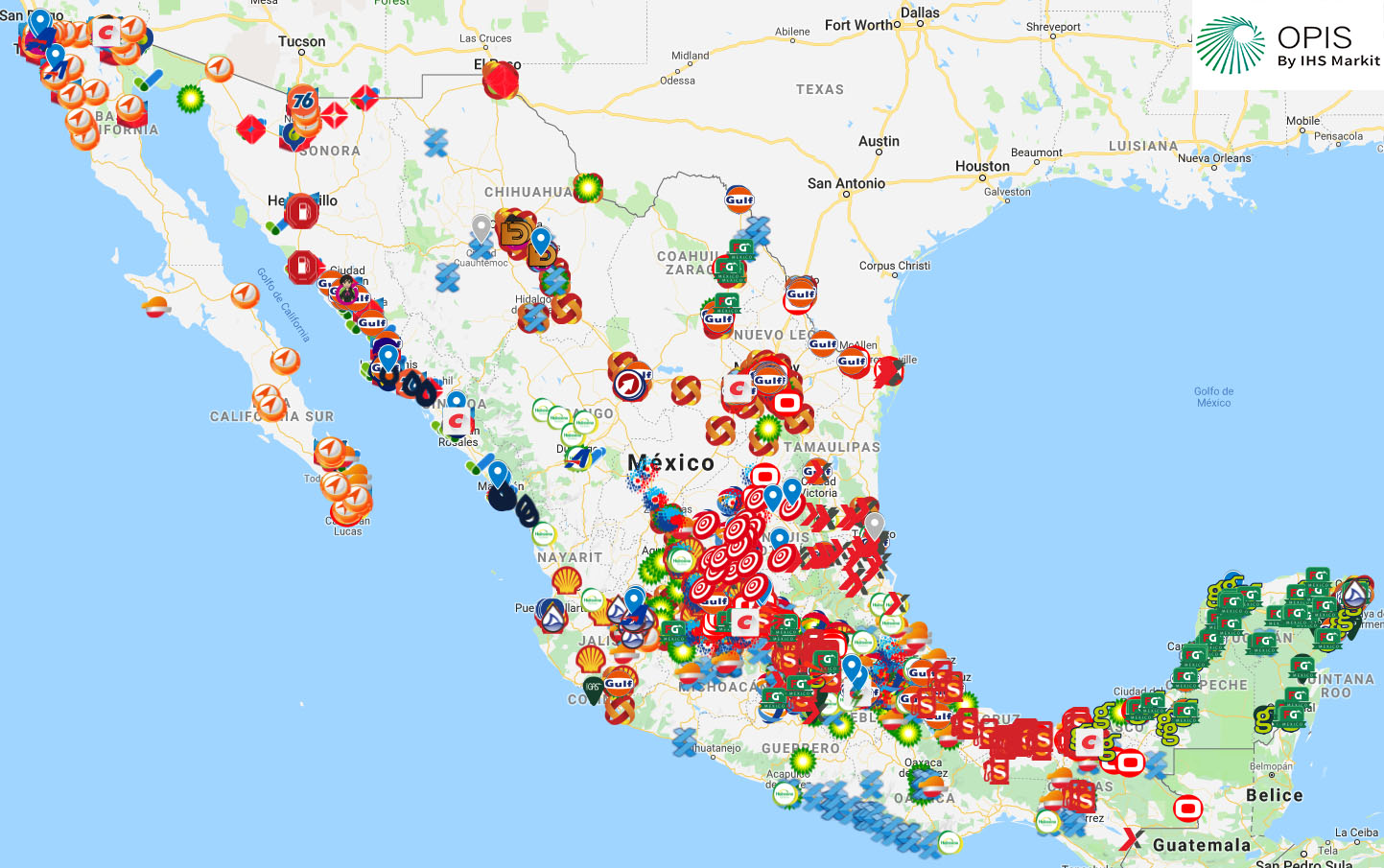
Ask anyone who has traveled across Mexico, and they’ll tell you the same thing: you’re never far from an OXXO. That near-omnipresence is not accidental.
Hyper-Local Expansion Strategy
Instead of opening massive supermarkets, the company focused on small-format stores. This allowed for:
- Faster setup and lower operational costs
- Flexibility in urban and semi-urban locations
- Proximity to residential and commercial areas
The idea was simple: reduce friction. If customers can reach a store in minutes, they’ll return frequently.
Data-Driven Store Placement
Location decisions are guided by demographic data, traffic flow patterns, and purchasing habits. This approach ensures each store is positioned where demand already exists.
The result? High turnover and consistent customer visits—often several times per week.


Inside the Business Model of oxxo
At its core, this brand operates on a high-volume, low-margin structure. But the simplicity hides a sophisticated ecosystem.
Revenue Streams Beyond Snacks
While beverages and snacks dominate shelves, revenue flows from multiple channels:
- Utility bill payments
- Mobile top-ups
- Financial services
- Remittance processing
- Digital transactions
This diversification reduces dependence on product sales alone and increases foot traffic.
OXXO Pay and Financial Inclusion
One of the most innovative features is OXXO Pay, a system that allows customers to make online purchases and pay in cash at a store. In regions where many people lack credit cards, this bridge between digital and physical commerce has been transformative.
It doesn’t just serve convenience—it expands access.
The Customer Experience at oxxo
Walk into a store and you’ll notice a familiar layout: clear aisles, chilled beverage sections, a coffee machine near the counter, and shelves stocked with essentials.
Consistency builds trust.
Speed and Simplicity
The checkout process is designed for quick transactions. Most visits last only a few minutes. Employees are trained to process payments efficiently while maintaining friendly service.
24/7 Accessibility
Many locations operate around the clock. For urban residents, this means access to necessities at any hour—something traditional supermarkets rarely provide.
oxxo and Digital Transformation
Retail has changed dramatically in the past decade. Rather than resist, the company embraced technology.
Mobile Payments and App Integration
Through mobile apps and partnerships, customers can:
- Pay services digitally
- Track promotions
- Access loyalty rewards
- Complete online transactions
This hybrid model merges traditional convenience retail with modern digital infrastructure.
Logistics and Supply Chain Efficiency
Behind the scenes, a sophisticated distribution network ensures products are replenished quickly. Centralized logistics hubs reduce stock shortages and optimize delivery routes.
Efficiency at scale is what keeps shelves consistently full.
Cultural Impact and Everyday Life
For many Mexicans, these stores represent more than commerce. They serve as informal meeting points, quick rest stops, and reliable sources of daily essentials.
Students stop for snacks after school. Office workers grab coffee on the way to work. Families pay bills during evening errands.
The brand’s presence in small towns and urban centers alike has shaped consumer habits. It normalizes small, frequent purchases rather than weekly bulk shopping.
Challenges Facing oxxo
No success story is without obstacles.
Competition from Global Chains
International convenience store brands and local mini-markets compete aggressively for market share. Price sensitivity and regional preferences add complexity.
Security and Operational Risks
Operating thousands of small stores presents challenges, including:
- Theft prevention
- Cash handling security
- Staffing consistency
Addressing these issues requires ongoing investment in training and technology.
Economic Fluctuations
Inflation and currency shifts affect purchasing power. To remain resilient, pricing strategies must adapt without alienating customers.
Sustainability and Community Responsibility
Modern consumers expect businesses to act responsibly. The company has begun implementing environmental initiatives such as:
- Energy-efficient lighting
- Waste reduction programs
- Support for local suppliers
These measures not only reduce costs but strengthen community trust.
In many neighborhoods, the store acts as a reliable employer, offering job opportunities and contributing to local economic stability.
Expansion Beyond Mexico
Though deeply rooted in Mexico, growth has extended into other Latin American markets. Each new country brings regulatory and cultural nuances.
Expansion strategies include:
- Local partnerships
- Customized product offerings
- Gradual regional rollout
Maintaining brand identity while adapting to local tastes remains essential.
What Makes oxxo Different?
Several factors distinguish it from competitors:
- Strategic saturation in urban zones
- Integration of financial services
- Consistent store design
- Strong supply chain backbone
- Deep understanding of neighborhood behavior
This blend of operational discipline and local sensitivity fuels long-term resilience.
FAQ
Frequently Asked Questions
What is oxxo known for?
It is best known as a convenience store chain operating primarily in Mexico, offering snacks, beverages, bill payments, and financial services.
Who owns oxxo?
The chain is operated by FEMSA, a multinational beverage and retail company based in Mexico.
How many stores does oxxo have?
It operates thousands of locations across Mexico and has expanded into other Latin American countries.
What is OXXO Pay?
OXXO Pay allows customers to make online purchases and complete payments in cash at a store, bridging digital and physical commerce.
Are oxxo stores open 24 hours?
Many locations operate 24/7, especially in urban areas, though hours can vary by region.
Does oxxo offer financial services?
Yes. Services include bill payments, mobile top-ups, remittances, and digital transaction processing.
Can you find fresh food at oxxo?
Most stores focus on packaged snacks and beverages, but some locations offer ready-to-eat meals and coffee.
Is oxxo expanding internationally?
Yes, expansion into select Latin American markets continues, with strategies tailored to local demand.
Conclusion
Few retail brands manage to become part of daily life the way oxxo has. Its strength lies not only in scale but in understanding people—how they shop, what they need, and when they need it. By blending neighborhood accessibility with digital innovation, it transformed a simple convenience store concept into a powerful retail ecosystem.
The story isn’t just about growth. It’s about adaptability, resilience, and meeting communities where they are. And in a world that values both speed and connection, that balance is what keeps customers coming back.