
Techpora represents a revolutionary approach to modern technology solutions, transforming how businesses and individuals interact with digital tools in 2026. As technology continues to evolve at an unprecedented pace, understanding comprehensive tech platforms becomes essential for staying competitive and efficient.
Related guide: for capturing a workflow for documentation, this Snagit screen recording guide is a useful related reference.
The digital landscape has shifted dramatically over the past few years, with integrated technology solutions becoming the backbone of successful operations across industries. From small startups to Fortune 500 companies, organizations are seeking unified platforms that streamline workflows, enhance productivity, and deliver measurable results. This comprehensive guide explores everything you need to know about modern technology platforms, their capabilities, implementation strategies, and how they’re reshaping the future of work.
Whether you’re a business leader evaluating new technology investments, an IT professional seeking to optimize your tech stack, or an entrepreneur building your digital infrastructure, this guide provides actionable insights backed by industry research and real-world applications. We’ll dive deep into platform architecture, integration capabilities, security features, pricing models, and best practices that separate successful implementations from failed projects.
The technology sector has witnessed a 340% increase in platform adoption since 2020, according to research by Gartner. This surge reflects a fundamental shift in how organizations approach digital transformation—moving away from fragmented point solutions toward comprehensive, integrated ecosystems that deliver holistic value.
Understanding Techpora Technology Solutions
Modern technology platforms have evolved far beyond simple software applications. They represent comprehensive ecosystems designed to address multiple business needs through a unified interface. The core philosophy centers on integration, scalability, and user-centric design that adapts to diverse organizational requirements.
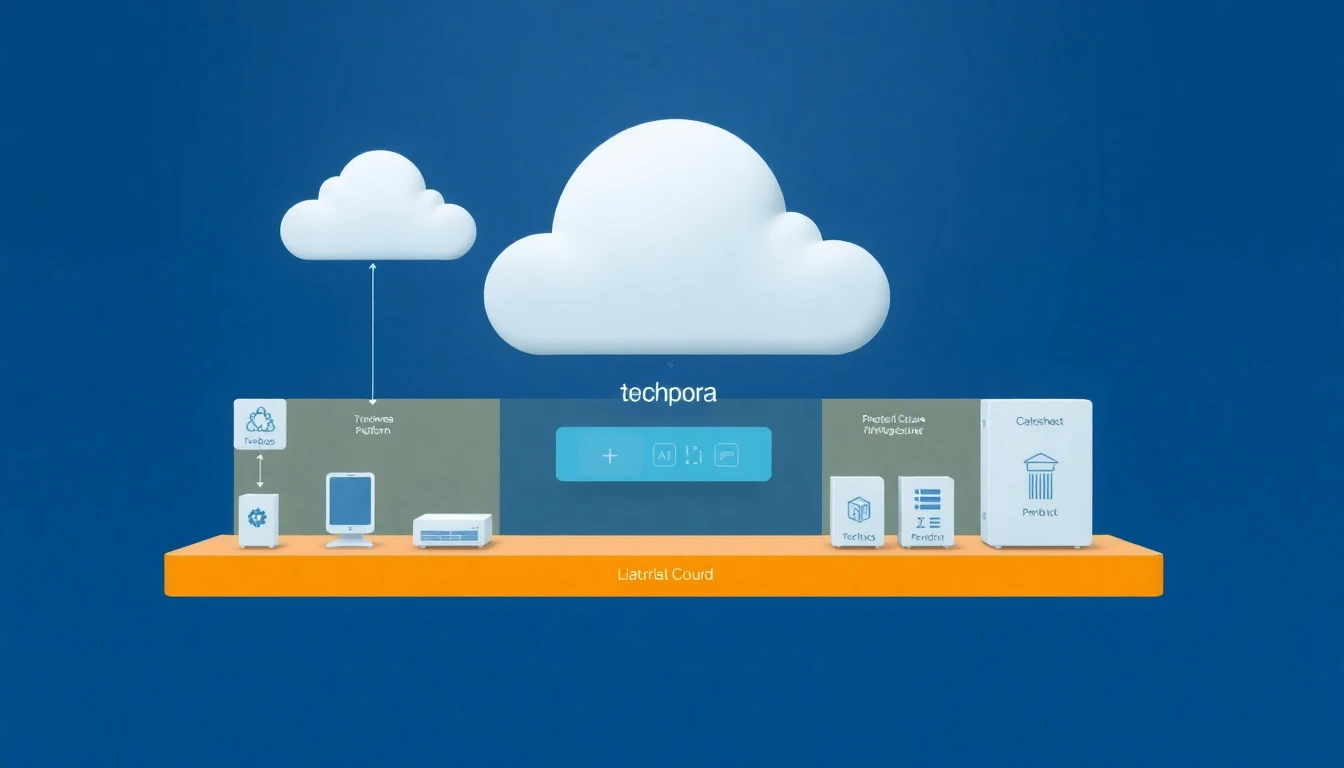
At its foundation, Techpora and similar platforms leverage cloud-native architectures that enable seamless scalability and global accessibility. Unlike legacy systems that required extensive on-premise infrastructure, contemporary solutions operate entirely in the cloud, reducing overhead costs while increasing flexibility. This architectural shift has enabled businesses of all sizes to access enterprise-grade capabilities without massive capital investments.
The platform approach integrates multiple functional areas—project management, collaboration tools, data analytics, automation workflows, and communication systems—into a cohesive environment. This integration eliminates the data silos that plague organizations using disparate systems, creating a single source of truth that improves decision-making and operational efficiency.
According to McKinsey research, companies that successfully implement integrated technology platforms experience 25-30% productivity gains within the first year. These improvements stem from reduced context switching, automated routine tasks, and enhanced collaboration capabilities that break down departmental barriers.
Core Platform Components
Every comprehensive technology solution includes several critical components that work in harmony. The user interface layer provides intuitive access to platform features, designed with modern UX principles that minimize learning curves. Behind this interface, the application layer houses the business logic and functional capabilities that power specific workflows and processes.
The data layer manages information storage, retrieval, and processing using advanced database technologies optimized for both transactional and analytical workloads. Integration middleware connects the platform with external systems, APIs, and third-party services, ensuring seamless data flow across your entire technology ecosystem.
Security and compliance frameworks operate at every layer, implementing encryption, access controls, audit trails, and regulatory compliance mechanisms. These security measures have become non-negotiable as data breaches cost companies an average of $4.45 million per incident, according to IBM’s 2023 Cost of Data Breach Report.
Key Features and Capabilities of Techpora
Modern Techpora platforms distinguish themselves through a robust feature set designed to address real-world business challenges. Understanding these capabilities helps organizations identify which features align with their specific needs and strategic objectives.
Advanced Analytics and Reporting
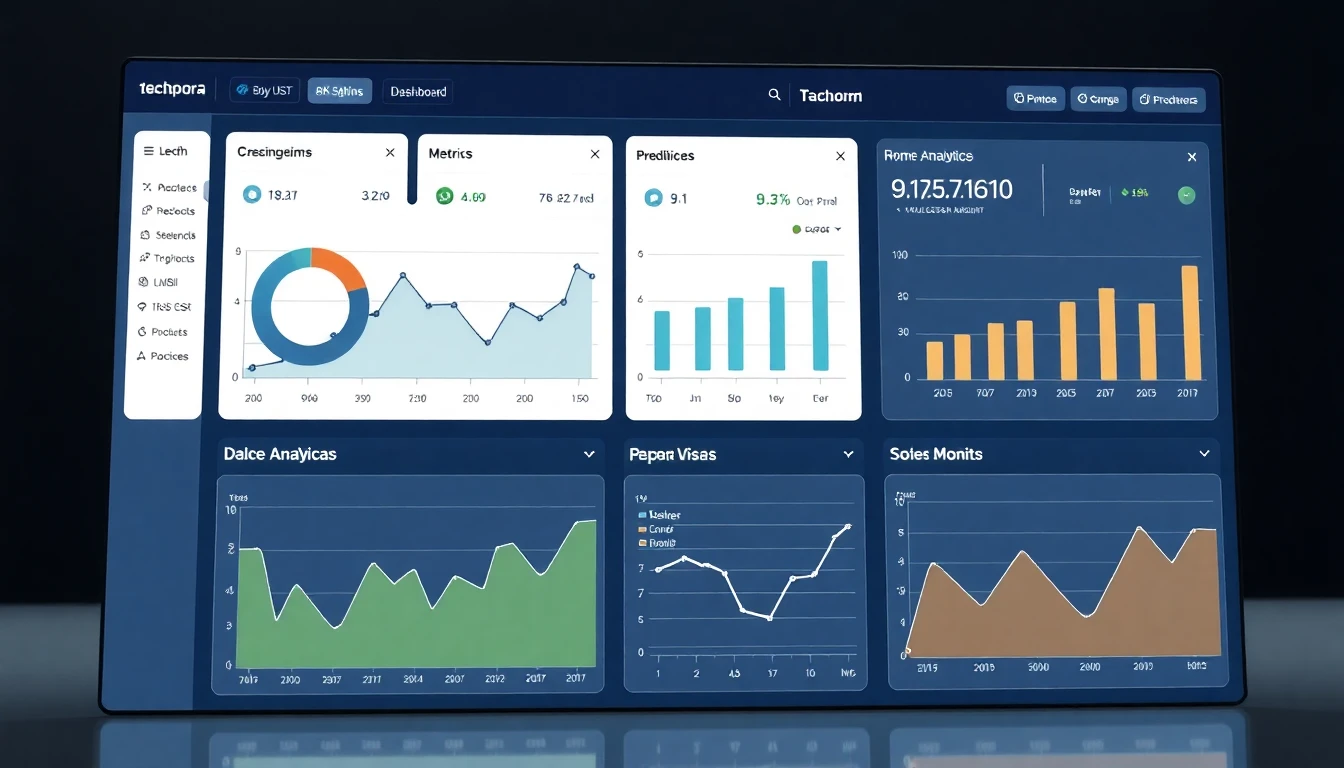
Data-driven decision making requires sophisticated analytics capabilities that transform raw data into actionable insights. Contemporary platforms incorporate real-time dashboards, customizable reports, and predictive analytics powered by machine learning algorithms. These tools enable stakeholders at all levels to monitor key performance indicators, identify trends, and make informed decisions based on empirical evidence rather than intuition.
The analytics engine processes millions of data points simultaneously, applying statistical models and pattern recognition algorithms to surface meaningful insights. Users can create custom visualizations, set automated alerts for specific conditions, and drill down into granular details without requiring technical expertise or SQL knowledge.
Workflow Automation
Automation represents one of the most impactful features in modern technology platforms. By eliminating repetitive manual tasks, organizations free their workforce to focus on high-value activities that require human creativity and judgment. Techpora automation capabilities range from simple rule-based triggers to complex multi-step workflows involving conditional logic, approvals, and integrations with external systems.
Research by Forrester indicates that businesses implementing comprehensive automation strategies reduce operational costs by 40-75% while simultaneously improving accuracy and consistency. These efficiency gains compound over time as teams identify additional automation opportunities and refine their workflows.
Collaboration and Communication Tools
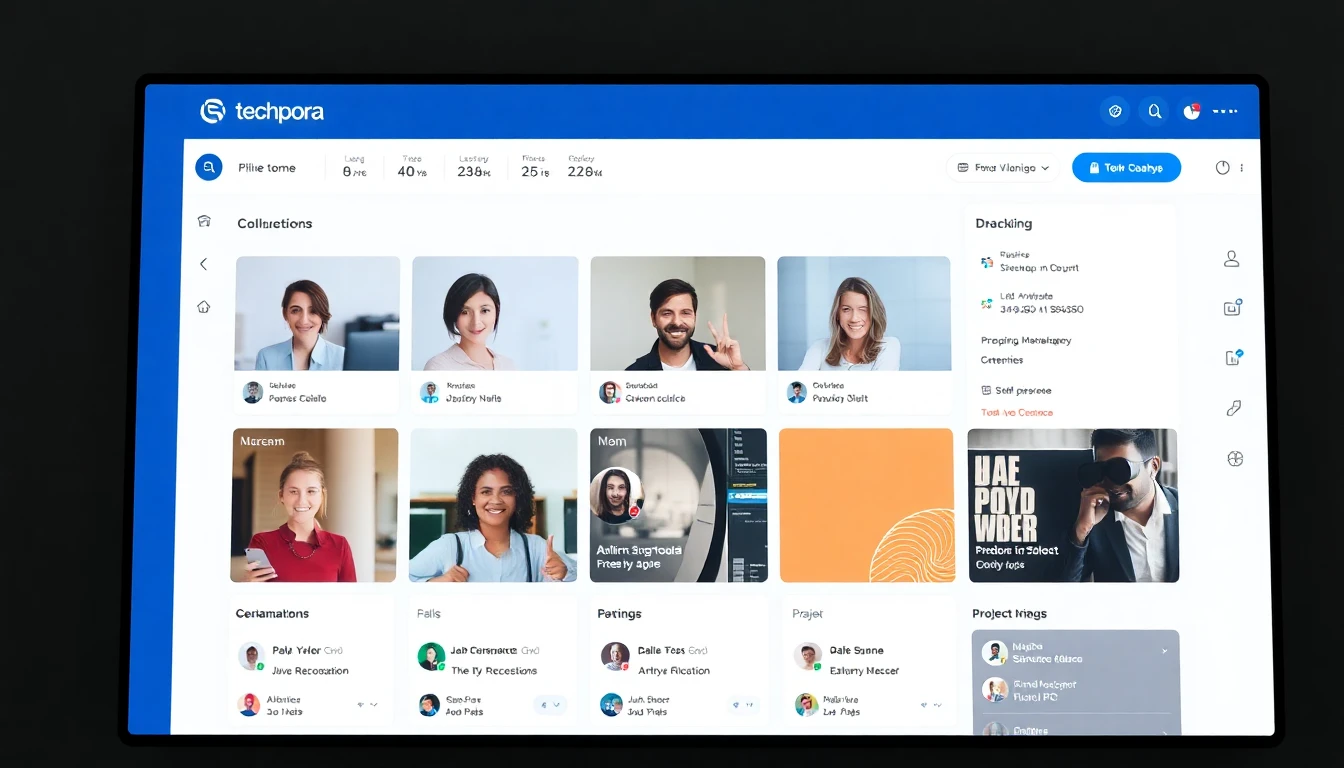
Effective collaboration tools have become essential in the era of distributed teams and remote work. Integrated communication features include real-time messaging, video conferencing, document collaboration, and project-specific channels that keep conversations organized and contextual. Unlike standalone communication tools, platform-integrated features maintain context by connecting conversations directly to relevant projects, tasks, and documents.
The collaboration framework supports asynchronous work patterns, enabling team members across different time zones to contribute effectively. Version control, comment threads, and @mentions ensure that everyone stays informed without overwhelming their inboxes with notifications.
Implementation Strategies for Techpora Success
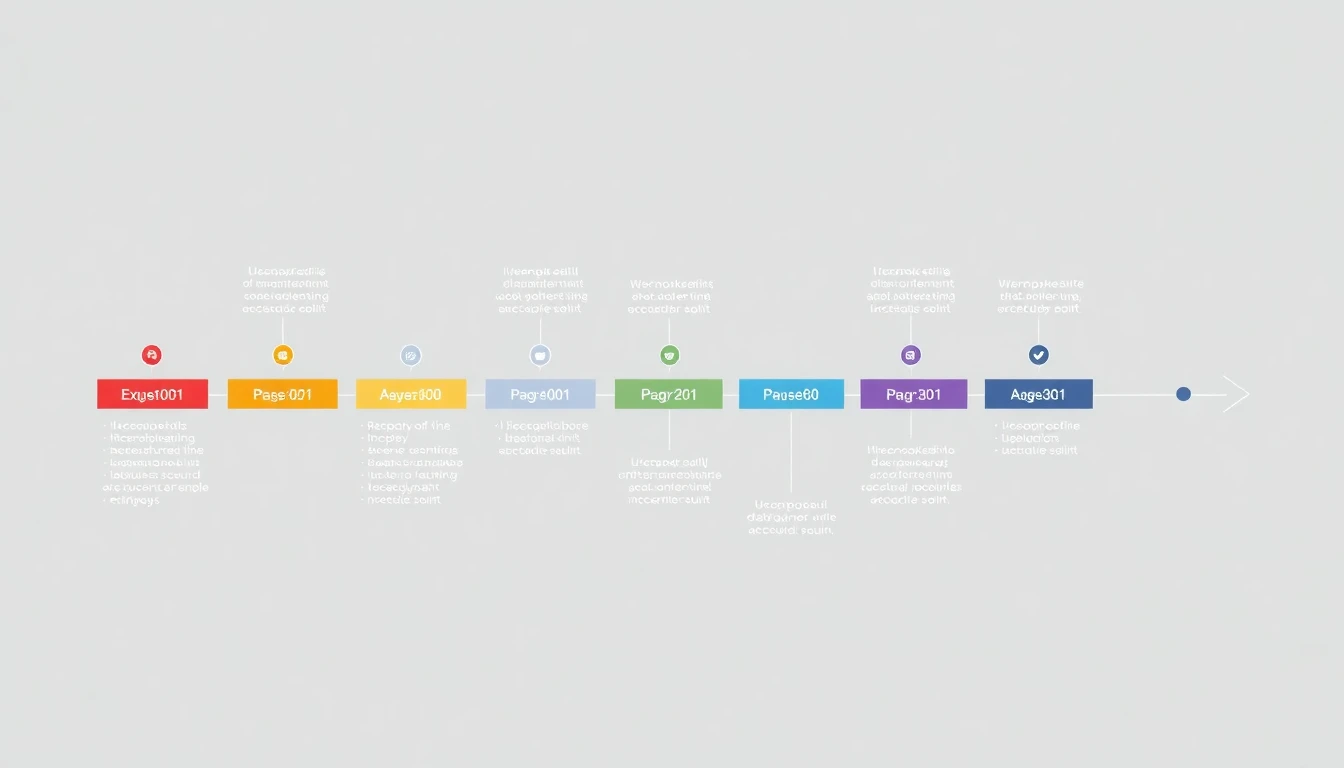
Successful platform implementation requires careful planning, stakeholder engagement, and a phased approach that minimizes disruption while maximizing adoption. Organizations that rush implementation without proper preparation experience failure rates exceeding 70%, according to research by the Project Management Institute.
Assessment and Planning Phase
Begin by conducting a comprehensive assessment of your current technology landscape, identifying pain points, inefficiencies, and gaps in capabilities. Document existing workflows, data sources, and integration requirements to create a clear picture of what the new platform must accomplish. Engage stakeholders from all affected departments to ensure their needs and concerns are addressed in the implementation plan.
Define clear, measurable objectives for the implementation. Rather than vague goals like “improve efficiency,” establish specific targets such as “reduce report generation time by 50%” or “increase cross-departmental collaboration by 30%.” These concrete metrics provide benchmarks for measuring success and identifying areas requiring adjustment.
Pilot Program Development
Launch a pilot program with a small, representative group before rolling out platform-wide. This controlled environment allows you to identify issues, refine configurations, and develop best practices without affecting your entire organization. Select pilot participants who are both influential within their departments and open to providing honest feedback about their experience.
The pilot phase should run for 4-8 weeks, providing sufficient time to encounter real-world scenarios and edge cases. Collect quantitative metrics on usage, performance, and outcomes, while also gathering qualitative feedback through surveys and interviews. Use these insights to adjust your implementation strategy before broader deployment.
Training and Change Management
Technology adoption hinges on effective training and change management. Develop a comprehensive training program that addresses different learning styles and proficiency levels. Offer live workshops, recorded tutorials, written documentation, and hands-on practice environments. Create role-specific training tracks that focus on the features most relevant to each user group.
Change management extends beyond technical training to address the cultural and psychological aspects of adopting new technology. Communicate the reasons for change, the benefits users will experience, and how the platform aligns with organizational goals. Identify and empower champions within each department who can provide peer support and encourage adoption.
Security and Compliance in Techpora Platforms
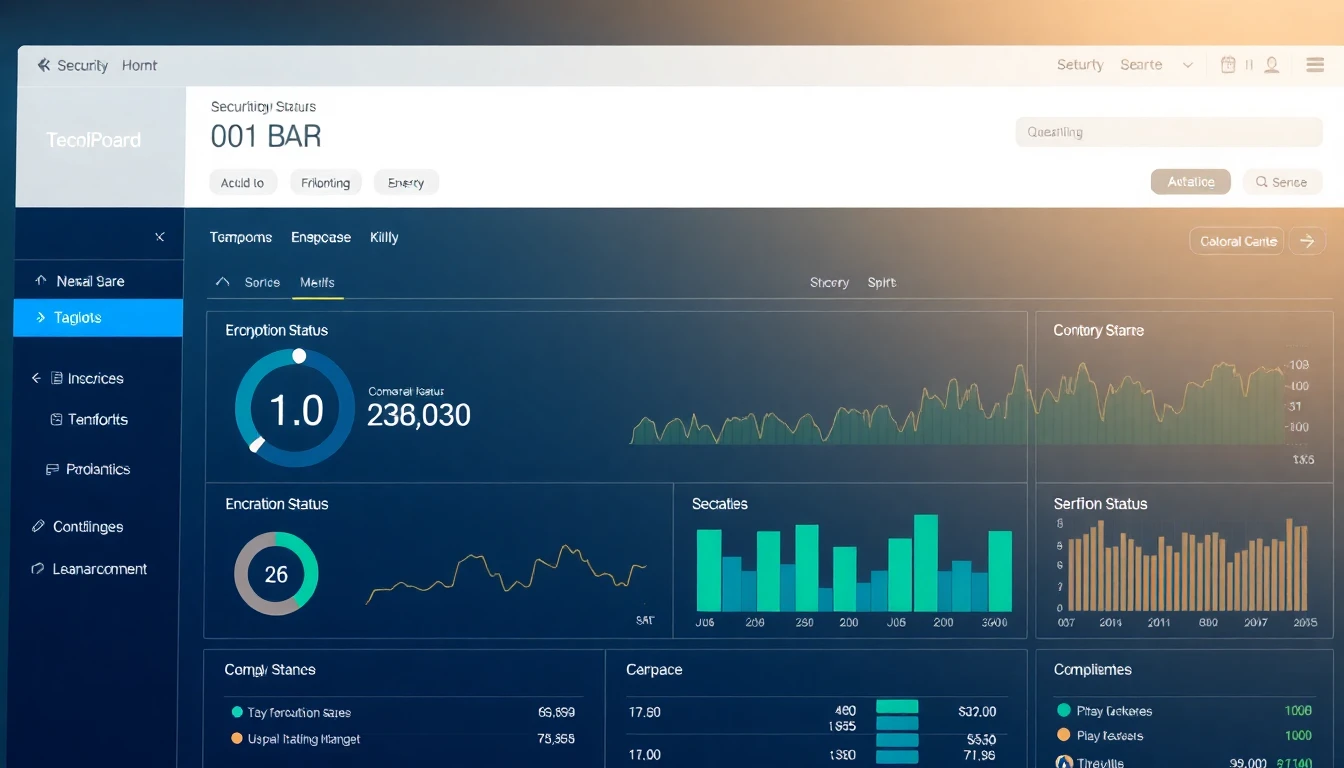
Security considerations must be paramount when evaluating and implementing any technology platform. Modern Techpora solutions incorporate multi-layered security architectures designed to protect data, ensure privacy, and maintain compliance with regulatory requirements.
Data Encryption and Protection
Enterprise-grade platforms implement encryption both in transit and at rest, using industry-standard protocols like AES-256 for stored data and TLS 1.3 for data transmission. This ensures that even if unauthorized parties intercept data, they can’t decipher its contents without the encryption keys. Key management systems use hardware security modules (HSMs) to protect cryptographic keys from compromise.
Data loss prevention (DLP) mechanisms monitor and control data movement, preventing sensitive information from being shared inappropriately. These systems can identify confidential data based on content analysis, apply classification labels, and enforce policies that restrict how users can handle protected information.
Access Control and Authentication
Role-based access control (RBAC) ensures users can only access features and data appropriate to their responsibilities. Administrators define granular permissions at the user, group, and resource levels, creating a principle of least privilege that minimizes security risks. Multi-factor authentication (MFA) adds an additional verification layer, requiring users to provide something they know (password) and something they’ve (mobile device or security token).
Advanced platforms support single sign-on (SSO) integration with enterprise identity providers like Active Directory, Okta, or Azure AD. This centralized authentication simplifies user management while maintaining security standards and enabling seamless access across multiple systems.
Compliance and Audit Capabilities
Regulatory compliance requirements vary by industry and geography, with frameworks like GDPR, HIPAA, SOC 2, and ISO 27001 imposing specific obligations on how organizations handle data. Leading Techpora platforms maintain certifications for major compliance standards and provide tools to help customers meet their regulatory obligations.
Comprehensive audit logs track all system activities, recording who accessed what data, when, and what actions they performed. These immutable logs support forensic investigations, compliance audits, and accountability. Automated compliance reporting generates documentation required for regulatory submissions, reducing the manual effort involved in demonstrating compliance.
Integration Capabilities and Ecosystem
No technology platform operates in isolation. The ability to integrate seamlessly with existing systems, third-party applications, and data sources determines how effectively a platform can serve as the central hub of your technology ecosystem.
API Architecture and Connectivity
Modern platforms expose comprehensive RESTful APIs that enable programmatic access to all platform features and data. These APIs follow industry standards, provide detailed documentation, and include SDKs for popular programming languages. Developers can build custom integrations, automate workflows, and extend platform capabilities to meet unique organizational requirements.
Webhook support enables real-time event notifications, allowing external systems to react immediately when specific actions occur within the platform. This event-driven architecture supports sophisticated automation scenarios that span multiple systems and trigger complex workflows based on platform activities.
Pre-Built Integrations
While APIs provide flexibility, pre-built integrations offer immediate connectivity with popular business applications. Techpora platforms typically include native integrations for CRM systems, accounting software, marketing automation tools, and productivity suites. These connectors eliminate the need for custom development, enabling users to activate integrations through simple configuration rather than coding.
The integration marketplace expands available connections through third-party developers who create specialized connectors for niche applications. This ecosystem approach ensures that even less common systems can integrate with the platform, maintaining data flow across your entire technology stack.
Data Synchronization and ETL
Effective integrations require robust data synchronization mechanisms that maintain consistency across systems. Bidirectional sync capabilities ensure that changes in one system automatically reflect in connected applications, eliminating manual data entry and reducing errors. Conflict resolution rules determine how to handle situations where the same data changes in multiple systems simultaneously.
Extract, Transform, Load (ETL) capabilities enable platforms to ingest data from various sources, apply transformations to standardize formats, and load the processed data into the platform’s data warehouse. These pipelines support both real-time streaming and scheduled batch processing, accommodating different data volume and latency requirements.
Pricing Models and Total Cost of Ownership
Understanding the true cost of implementing and operating a technology platform extends beyond the initial license fees. A comprehensive total cost of ownership (TCO) analysis considers all expenses associated with the platform throughout its lifecycle.
Subscription Pricing Structures
Most modern Techpora platforms operate on subscription-based pricing models, charging monthly or annual fees per user or based on usage metrics. Tiered pricing structures offer different feature sets at various price points, allowing organizations to select the level that matches their requirements and budget. Entry-level tiers typically start around $15-30 per user per month, while enterprise tiers with advanced features can exceed $100 per user monthly.
Usage-based pricing models charge based on consumption metrics like API calls, storage volume, or transaction counts. This approach aligns costs with actual utilization, making it attractive for organizations with variable or seasonal usage patterns. However, it can also create budget unpredictability if usage spikes unexpectedly.
Implementation and Customization Costs
Initial implementation expenses include professional services for configuration, data migration, integration development, and custom feature development. These costs typically range from 50-150% of the annual subscription cost for standard implementations, potentially reaching 200-300% for complex deployments requiring extensive customization.
Organizations must budget for ongoing customization and optimization as business needs evolve. Annual maintenance costs for custom integrations and configurations typically represent 15-20% of the original development investment.
Training and Change Management Investment
Effective training programs require investment in instructional design, materials development, and delivery resources. Budget $500-1,500 per user for comprehensive training programs, including live sessions, documentation, and ongoing support. Change management consulting services add $150-300 per hour for experienced practitioners who can guide organizational adoption strategies.
| Cost Category | Small Business (10-50 users) | Mid-Market (50-500 users) | Enterprise (500+ users) |
|---|---|---|---|
| Annual Subscription | $3,600-$18,000 | $18,000-$180,000 | $180,000-$1,200,000+ |
| Implementation | $5,000-$25,000 | $25,000-$200,000 | $200,000-$800,000+ |
| Training | $5,000-$15,000 | $15,000-$100,000 | $100,000-$400,000 |
| Annual Maintenance | $1,000-$5,000 | $5,000-$40,000 | $40,000-$160,000 |
Performance Optimization and Best Practices
Maximizing the value of your Techpora platform requires ongoing optimization and adherence to best practices that ensure optimal performance, user adoption, and return on investment.
System Configuration Optimization
Regular performance audits identify bottlenecks, inefficient configurations, and opportunities for improvement. Monitor key metrics like page load times, API response rates, database query performance, and user activity patterns. Use this data to optimize database indexes, adjust caching strategies, and refine workflow configurations.
Implement data archival strategies that move historical records to lower-cost storage while maintaining accessibility for compliance and analysis purposes. This reduces the active dataset size, improving query performance and reducing storage costs without sacrificing data availability.
User Adoption Strategies
Sustained user adoption requires ongoing engagement and support beyond initial training. Establish a center of excellence that provides ongoing guidance, shares best practices, and helps users discover advanced features that can improve their workflows. Regular “lunch and learn” sessions showcase new capabilities and creative use cases that inspire users to expand their platform utilization.
Gamification elements like achievement badges, leaderboards, and recognition programs can drive engagement, particularly among competitive team members. However, ensure these mechanisms reward meaningful behaviors that align with organizational goals rather than vanity metrics.
Data Quality Management
The platform’s value directly correlates with the quality of data it contains. Establish data governance policies that define standards for data entry, validation rules, and regular cleansing processes. Automated validation prevents bad data from entering the system, while periodic audits identify and correct existing quality issues.
Assign data stewards within each department who take ownership of data quality for their domain. These individuals champion data standards, train team members on proper data entry practices, and serve as escalation points for data-related questions.
Mobile and Remote Access Capabilities
The shift toward remote and hybrid work models has made mobile accessibility a critical platform requirement. Modern Techpora solutions provide full-featured mobile applications that enable productivity regardless of location or device.
Native Mobile Applications
Native iOS and Android applications deliver optimized performance and user experiences tailored to each platform’s design conventions. These apps support offline functionality, allowing users to access critical data and complete tasks without internet connectivity. Changes sync automatically when connection is restored, ensuring data consistency across devices.
Push notifications keep users informed about important events, mentions, and deadlines without requiring them to constantly check the application. Intelligent notification filtering prevents alert fatigue by prioritizing truly important updates while batching less urgent information.
Responsive Web Interface
Progressive web application (PWA) technology enables the platform to function like a native app when accessed through mobile browsers. This approach provides broad device compatibility without requiring separate app installations, reducing barriers to access for occasional users or those on less common platforms.
Responsive design ensures the interface adapts elegantly to different screen sizes, maintaining usability whether accessed on a smartphone, tablet, or desktop computer. Touch-optimized controls and gesture support provide intuitive interaction on mobile devices.
Security for Remote Access
Mobile security presents unique challenges given the increased risk of device loss or theft. Mobile device management (MDM) integration enables organizations to enforce security policies, remotely wipe corporate data from lost devices, and require device encryption. Conditional access policies can restrict access from unmanaged devices or require additional authentication when accessing from unfamiliar locations.
Scalability and Growth Considerations
Selecting a technology platform requires evaluating not just current needs but also how well the solution will scale as your organization grows. Techpora platforms designed for scalability accommodate increasing users, data volumes, and complexity without requiring platform migrations.
Technical Scalability
Cloud-native architectures leverage elastic infrastructure that automatically scales computing resources based on demand. During peak usage periods, the platform provisions additional servers to maintain performance, then scales down during quieter periods to optimize costs. This elasticity ensures consistent user experiences regardless of load while avoiding over-provisioning during normal operations.
Database sharding and partitioning strategies distribute data across multiple servers, enabling the platform to handle massive datasets that exceed single-server capacity. Query optimization and caching layers minimize database load, ensuring responsive performance even as data volumes grow exponentially.
Organizational Scalability
As organizations grow, their processes, hierarchies, and requirements become more complex. Scalable platforms accommodate this evolution through flexible permission models, customizable workflows, and multi-entity support that enables different business units to operate with appropriate autonomy while maintaining centralized visibility.
White-label capabilities allow organizations to customize branding, terminology, and interfaces for different divisions or customer groups. This flexibility supports diverse use cases within a single platform instance, reducing administrative overhead while meeting varied stakeholder needs.
Financial Scalability
Predictable pricing models that grow proportionally with usage prevent budget shocks as organizations expand. Evaluate whether the platform’s pricing structure remains economically viable at 2x, 5x, and 10x your current scale. Some platforms offer volume discounts that improve unit economics at larger scales, while others impose premium pricing for enterprise features that become necessary as organizations mature.
Industry-Specific Applications of Techpora
While comprehensive technology platforms serve organizations across industries, specific sectors benefit from tailored configurations and features that address their unique requirements and regulatory environments.
Healthcare and Life Sciences
Healthcare organizations require strict HIPAA compliance, patient data protection, and integration with electronic health record (EHR) systems. Techpora implementations in this sector emphasize audit trails, consent management, and secure communication channels that protect patient privacy while enabling care coordination. Clinical trial management features track participant data, regulatory submissions, and adverse event reporting.
Telemedicine integration enables virtual consultations directly within the platform, maintaining all patient interactions within the secure, compliant environment. Prescription management, lab result integration, and appointment scheduling create a comprehensive patient engagement ecosystem.
Financial Services and Banking
Financial institutions prioritize security, compliance, and risk management capabilities. Platform implementations focus on transaction monitoring, fraud detection, regulatory reporting, and customer due diligence workflows. Integration with core banking systems, payment processors, and regulatory reporting platforms creates a unified operational environment.
Customer relationship management features tailored for financial services track investment portfolios, loan applications, and service requests while maintaining strict data segregation and access controls. Automated compliance checks ensure adherence to regulations like SOX, PCI-DSS, and anti-money laundering requirements.
Manufacturing and Supply Chain
Manufacturing organizations leverage Techpora platforms for production planning, inventory management, quality control, and supplier collaboration. Real-time visibility into production status, material availability, and order fulfillment enables proactive management and rapid response to disruptions.
IoT integration connects manufacturing equipment directly to the platform, enabling predictive maintenance, performance monitoring, and automated quality inspections. Supply chain collaboration features provide suppliers and logistics partners with appropriate visibility into orders, specifications, and delivery requirements.
Education and Research
Educational institutions use platform capabilities for student information management, learning management, research collaboration, and administrative operations. Student portals provide access to coursework, grades, and institutional resources, while faculty tools support curriculum development, assessment, and research project management.
Research collaboration features enable multi-institutional projects, grant management, publication tracking, and intellectual property documentation. Integration with learning management systems (LMS) and student information systems (SIS) creates a unified educational technology ecosystem.
Future Trends and Technology Roadmap
The technology platform landscape continues evolving rapidly, with emerging capabilities reshaping what organizations can accomplish through integrated systems. Understanding these trends helps organizations make forward-looking platform selections that remain relevant as technology advances.
Artificial Intelligence and Machine Learning Integration
AI capabilities are transitioning from experimental features to core platform functionality. Natural language processing enables conversational interfaces where users interact with the platform through chat or voice commands. Predictive analytics powered by machine learning models forecast trends, identify risks, and recommend actions based on historical patterns and real-time data.
Intelligent automation goes beyond rule-based workflows to include AI agents that handle complex, judgment-based tasks. These systems learn from user behavior, adapt to changing conditions, and continuously improve their performance without explicit reprogramming. According to Gartner, by 2025, 70% of organizations will use AI-augmented automation to enhance employee productivity.
Low-Code and No-Code Development
Democratization of application development through low-code and no-code tools enables business users to create custom solutions without traditional programming skills. Visual development environments, pre-built components, and template libraries accelerate application delivery while reducing dependence on IT departments.
This trend empowers departments to solve their own challenges, creating specialized workflows and applications tailored to their unique needs. However, it also requires governance frameworks that prevent shadow IT proliferation and ensure solutions meet security and compliance standards.
Blockchain and Distributed Ledger Technology
Blockchain integration provides immutable audit trails, smart contract automation, and decentralized data verification capabilities. Supply chain applications use blockchain to track product provenance, verify authenticity, and ensure compliance with ethical sourcing requirements. Financial applications leverage blockchain for secure, transparent transaction processing and settlement.
While blockchain adoption remains nascent in enterprise platforms, pilot programs demonstrate significant potential for scenarios requiring trust, transparency, and tamper-proof record-keeping across organizational boundaries.
Extended Reality (XR) Interfaces
Virtual reality (VR), augmented reality (AR), and mixed reality (MR) interfaces are emerging as new ways to interact with platform data and functionality. AR applications overlay digital information onto physical environments, supporting field service technicians, warehouse workers, and manufacturing operators with contextual guidance and real-time data.
VR collaboration spaces enable distributed teams to meet in immersive virtual environments, enhancing the sense of presence and engagement compared to traditional video conferencing. 3D data visualization in VR environments helps users understand complex datasets and spatial relationships more intuitively than 2D representations.
Common Implementation Challenges and Solutions
Even well-planned Techpora implementations encounter obstacles. Recognizing common challenges and preparing mitigation strategies significantly improves success rates and reduces implementation timelines.
Data Migration Complexity
Migrating data from legacy systems presents technical and organizational challenges. Data quality issues, format incompatibilities, and business rule differences complicate the process. Address these challenges through comprehensive data profiling that identifies quality issues before migration begins. Develop transformation rules that standardize data formats, resolve duplicates, and apply business logic consistently.
Implement migration in phases, starting with less critical data to validate processes before migrating mission-critical information. Maintain parallel operations during transition periods, allowing users to verify data accuracy and completeness before fully retiring legacy systems.
User Resistance and Adoption Barriers
Resistance to change represents one of the most significant implementation challenges. Users comfortable with existing systems may resist learning new tools, particularly if they don’t understand the benefits or fear the change threatens their job security. Combat resistance through transparent communication that explains the reasons for change and how it will improve users’ daily work experiences.
Involve users in the implementation process, soliciting their input on configuration decisions and workflow designs. This participation creates ownership and ensures the final solution addresses real user needs rather than theoretical requirements. Identify and address specific concerns through one-on-one conversations rather than dismissing resistance as mere obstinacy.
Integration Technical Difficulties
Connecting the platform with existing systems often reveals unexpected technical challenges. APIs may lack necessary functionality, data formats may be incompatible, or performance may degrade under integration load. Mitigate these risks through thorough technical due diligence during the evaluation phase, including proof-of-concept integrations with critical systems.
Build integration monitoring and error handling mechanisms that detect failures quickly and provide clear diagnostic information. Implement retry logic, circuit breakers, and fallback mechanisms that maintain system stability even when integrations experience temporary issues.
Scope Creep and Timeline Delays
Implementation projects frequently exceed original timelines and budgets due to scope creep—the gradual addition of requirements beyond the initial plan. Prevent scope creep through rigorous change control processes that evaluate each proposed addition against project objectives, timelines, and budgets. Document all requirements clearly during planning phases, obtaining stakeholder sign-off before implementation begins.
When legitimate new requirements emerge, assess their priority and consider deferring lower-priority items to post-launch phases. This approach maintains project momentum while ensuring critical functionality launches on schedule.
Measuring Success and ROI
Demonstrating the value of your Techpora platform investment requires establishing clear metrics, tracking performance consistently, and communicating results to stakeholders. Effective measurement programs balance quantitative metrics with qualitative feedback to provide a comprehensive view of platform impact.
Productivity and Efficiency Metrics
Track time savings in specific workflows by comparing pre-implementation and post-implementation completion times. For example, if generating monthly reports previously required 8 hours but now takes 2 hours, that represents a 75% efficiency gain. Multiply these time savings across all affected users and workflows to calculate aggregate productivity improvements.
Monitor automation rates by measuring the percentage of routine tasks now handled automatically versus manually. Each automated task represents ongoing time savings and reduced error rates. According to research by Deloitte, organizations achieving 50%+ automation rates realize 3-5x ROI on their platform investments within 18 months.
User Adoption and Engagement
Active user rates indicate how thoroughly the organization has embraced the platform. Track daily active users (DAU) and monthly active users (MAU) as percentages of total licensed users. Healthy adoption typically shows 70%+ of users active monthly and 40-50% active daily for platforms central to daily operations.
Feature utilization metrics reveal which capabilities deliver value and which remain underused. Low utilization of specific features may indicate training gaps, usability issues, or misalignment between features and actual needs. Use this data to focus training efforts and potentially reconfigure or eliminate unused features.
Business Impact Metrics
Connect platform usage to business outcomes like revenue growth, customer satisfaction, or cost reduction. For example, if the platform enables faster customer response times and customer satisfaction scores increase by 15%, establish the correlation between platform capabilities and improved satisfaction. If sales cycle times decrease by 20% after implementing platform-based sales workflows, quantify the revenue impact of closing deals faster.
Cost avoidance represents another important ROI component. Calculate the costs that would have been incurred without the platform—additional staff hires, expensive legacy system maintenance, or manual error correction—and attribute these avoided costs to the platform investment.
| Metric Category | Key Indicators | Target Range | Measurement Frequency |
|---|---|---|---|
| User Adoption | Active users, feature utilization | 70-85% active monthly | Weekly |
| Productivity | Time savings, automation rate | 25-40% efficiency gain | Monthly |
| Business Impact | Revenue, satisfaction, costs | Varies by objective | Quarterly |
| System Performance | Uptime, response time | 99.9% uptime, <2s load | Real-time |
Sources & References
- Gartner – Technology Research and Advisory – Industry-leading research on technology trends, platform adoption rates, and digital transformation statistics
- McKinsey Digital – Digital Transformation Insights – Comprehensive studies on productivity gains from integrated platforms and implementation success factors
- IBM Security – Cost of Data Breach Report – Annual research on data breach costs, security trends, and compliance requirements
- Forrester Research – Technology Analysis – Detailed analysis of automation strategies, ROI calculations, and enterprise technology trends
- Project Management Institute – Implementation Best Practices – Research on project success rates, change management, and implementation methodologies
Frequently Asked Questions
What is Techpora and how does it differ from traditional software?
Techpora represents modern integrated technology platforms that combine multiple business functions into unified ecosystems, unlike traditional point solutions that address single needs. These platforms leverage cloud-native architectures, provide comprehensive integration capabilities, and offer scalability that adapts to organizational growth. The key difference lies in the full picture—rather than managing separate systems for project management, analytics, communication, and automation, users access all capabilities through a single, integrated interface that eliminates data silos and reduces context switching.
How long does typical Techpora implementation take?
Implementation timelines vary based on organizational size, complexity, and customization requirements. Small businesses with straightforward needs typically complete implementations in 4-8 weeks, while mid-market companies require 3-6 months for more complex deployments. Enterprise implementations with extensive customization, multiple integrations, and comprehensive change management programs often span 6-12 months. Phased approaches that deliver core functionality quickly, then expand capabilities over time, help organizations realize value sooner while managing implementation complexity.
What are the primary security concerns with cloud-based platforms?
The main security considerations include data encryption both in transit and at rest, access control mechanisms, compliance with industry regulations, and protection against unauthorized access or data breaches. Modern platforms address these concerns through enterprise-grade security features including AES-256 encryption, multi-factor authentication, role-based access controls, comprehensive audit trails, and regular security audits. Organizations should verify that platforms maintain relevant compliance certifications (SOC 2, ISO 27001, HIPAA) and implement security best practices including regular security assessments and employee training.
How do I calculate ROI for a technology platform investment?
Calculate ROI by comparing total costs (subscription fees, implementation, training, maintenance) against quantifiable benefits including productivity gains, cost reductions, revenue increases, and cost avoidance. Measure time savings from automated workflows, reduced error rates, faster decision-making, and improved collaboration. Multiply these per-user savings across your entire user base and project them over 3-5 years. Include intangible benefits like improved employee satisfaction and customer experience, though these are harder to quantify. Most organizations see positive ROI within 12-18 months for well-implemented platforms, with returns increasing as adoption matures.
Can Techpora platforms integrate with our existing systems?
Yes, modern platforms provide extensive integration capabilities through RESTful APIs, pre-built connectors, and webhook support that enable connectivity with most business systems. Common integrations include CRM platforms, ERP systems, accounting software, marketing automation tools, and productivity suites. The integration approach depends on your specific systems—some connections use native integrations requiring simple configuration, while others may need custom API development. During platform evaluation, verify that critical integrations are supported and request proof-of-concept demonstrations for complex integration scenarios to ensure technical feasibility.
What training resources are typically available for new users?
Comprehensive training programs include multiple learning formats to accommodate different preferences and proficiency levels. Most platforms offer live instructor-led workshops, on-demand video tutorials, detailed written documentation, interactive practice environments, and certification programs. Role-specific training tracks focus on features relevant to different user groups, while advanced courses help power users master complex capabilities. Many vendors provide train-the-trainer programs that enable organizations to develop internal expertise for ongoing training and support. Community forums, user groups, and knowledge bases supplement formal training with peer support and real-world use cases.
How do platforms handle data privacy and GDPR compliance?
Modern platforms incorporate privacy-by-design principles that embed data protection into core functionality. GDPR compliance features include consent management, data subject access request (DSAR) handling, right-to-erasure capabilities, data portability tools, and comprehensive audit trails documenting all data processing activities. Platforms typically provide data processing agreements (DPAs) that clearly define responsibilities and ensure contractual compliance. Geographic data residency options allow organizations to store data within specific regions to meet local requirements. Regular privacy impact assessments and third-party audits verify ongoing compliance as regulations evolve.
What happens if we outgrow our current platform tier?
Platform providers design tiered pricing structures to accommodate organizational growth without requiring platform migrations. Upgrading to higher tiers typically involves simple administrative changes that activate additional features, increase user limits, or expand storage capacity. Most upgrades can be completed within minutes to hours, with prorated billing adjustments for mid-cycle changes. Before upgrading, review the new tier’s capabilities to ensure they align with your evolving needs. Some organizations negotiate custom enterprise agreements that provide specific features or pricing structures tailored to their unique requirements, offering more flexibility than standard tier options.
What is Techpora and how does it differ from traditional software?
Techpora represents modern integrated technology platforms that combine multiple business functions into unified ecosystems, unlike traditional point solutions that address single needs. These platforms leverage cloud-native architectures, provide comprehensive integration capabilities, and offer scalability that adapts to organizational growth. The key difference lies in the full picture—rather than managing separate systems for project management, analytics, communication, and automation, users access all capabilities through a single, integrated interface that eliminates data silos and reduces context switching.
How long does typical Techpora implementation take?
Implementation timelines vary based on organizational size, complexity, and customization requirements. Small businesses with straightforward needs typically complete implementations in 4-8 weeks, while mid-market companies require 3-6 months for more complex deployments. Enterprise implementations with extensive customization, multiple integrations, and comprehensive change management programs often span 6-12 months. Phased approaches that deliver core functionality quickly, then expand capabilities over time, help organizations realize value sooner while managing implementation complexity.
What are the primary security concerns with cloud-based platforms?
The main security considerations include data encryption both in transit and at rest, access control mechanisms, compliance with industry regulations, and protection against unauthorized access or data breaches. Modern platforms address these concerns through enterprise-grade security features including AES-256 encryption, multi-factor authentication, role-based access controls, comprehensive audit trails, and regular security audits. Organizations should verify that platforms maintain relevant compliance certifications (SOC 2, ISO 27001, HIPAA) and implement security best practices including regular security assessments and employee training.
How do I calculate ROI for a technology platform investment?
Calculate ROI by comparing total costs (subscription fees, implementation, training, maintenance) against quantifiable benefits including productivity gains, cost reductions, revenue increases, and cost avoidance. Measure time savings from automated workflows, reduced error rates, faster decision-making, and improved collaboration. Multiply these per-user savings across your entire user base and project them over 3-5 years. Include intangible benefits like improved employee satisfaction and customer experience, though these are harder to quantify. Most organizations see positive ROI within 12-18 months for well-implemented platforms, with returns increasing as adoption matures.
Can Techpora platforms integrate with our existing systems?
Yes, modern platforms provide extensive integration capabilities through RESTful APIs, pre-built connectors, and webhook support that enable connectivity with most business systems. Common integrations include CRM platforms, ERP systems, accounting software, marketing automation tools, and productivity suites. The integration approach depends on your specific systems—some connections use native integrations requiring simple configuration, while others may need custom API development. During platform evaluation, verify that critical integrations are supported and request proof-of-concept demonstrations for complex integration scenarios to ensure technical feasibility.
What training resources are typically available for new users?
Comprehensive training programs include multiple learning formats to accommodate different preferences and proficiency levels. Most platforms offer live instructor-led workshops, on-demand video tutorials, detailed written documentation, interactive practice environments, and certification programs. Role-specific training tracks focus on features relevant to different user groups, while advanced courses help power users master complex capabilities. Many vendors provide train-the-trainer programs that enable organizations to develop internal expertise for ongoing training and support. Community forums, user groups, and knowledge bases supplement formal training with peer support and real-world use cases.
How do platforms handle data privacy and GDPR compliance?
Modern platforms incorporate privacy-by-design principles that embed data protection into core functionality. GDPR compliance features include consent management, data subject access request (DSAR) handling, right-to-erasure capabilities, data portability tools, and comprehensive audit trails documenting all data processing activities. Platforms typically provide data processing agreements (DPAs) that clearly define responsibilities and ensure contractual compliance. Geographic data residency options allow organizations to store data within specific regions to meet local requirements. Regular privacy impact assessments and third-party audits verify ongoing compliance as regulations evolve.
What happens if we outgrow our current platform tier?
Platform providers design tiered pricing structures to accommodate organizational growth without requiring platform migrations. Upgrading to higher tiers typically involves simple administrative changes that activate additional features, increase user limits, or expand storage capacity. Most upgrades can be completed within minutes to hours, with prorated billing adjustments for mid-cycle changes. Before upgrading, review the new tier’s capabilities to ensure they align with your evolving needs. Some organizations negotiate custom enterprise agreements that provide specific features or pricing structures tailored to their unique requirements, offering more flexibility than standard tier options.
Conclusion
The landscape of modern technology platforms continues evolving at an unprecedented pace, with Techpora and similar solutions representing the future of integrated business operations. Organizations that successfully implement comprehensive platforms gain significant competitive advantages through improved efficiency, enhanced collaboration, and data-driven decision making that drives measurable business outcomes.
Success requires more than simply purchasing software—it demands strategic planning, stakeholder engagement, comprehensive training, and ongoing optimization. The organizations achieving the highest returns approach platform implementation as a transformative initiative that reshapes how work gets done, not merely a technology upgrade. They invest in change management, cultivate internal champions, and continuously refine their utilization as they discover new capabilities and use cases.
As we look toward the future, emerging technologies like artificial intelligence, blockchain, and extended reality will further expand what’s possible through integrated platforms. The platforms that thrive will be those that balance innovation with stability, offering new capabilities while maintaining the reliability and security that enterprises require. Organizations should select platforms with clear technology roadmaps, active development communities, and proven track records of adapting to changing market needs.
The decision to implement a comprehensive technology platform represents a significant investment of financial resources, time, and organizational energy. However, the potential returns—measured in productivity gains, cost reductions, improved customer experiences, and competitive positioning—make it one of the most impactful investments modern organizations can make. By following the strategies, best practices, and implementation approaches outlined in this guide, you position your organization to maximize the value of your platform investment and achieve transformative results that compound over time.
Whether you’re just beginning your platform evaluation journey or optimizing an existing implementation, remember that technology serves as an enabler, not a solution in itself. The true value emerges when technology capabilities align with clear business objectives, supported by engaged users who understand how the platform helps them work more effectively. Focus on this human element alongside technical considerations, and your platform implementation will deliver the transformative impact that drives lasting organizational success.