
Introduction
If you’ve spent any time researching modern ERP or business automation tools, you may have come across the unusual yet increasingly searched phrase odoo odoo voozon. At first glance, it looks repetitive, even confusing. In reality, it reflects a growing curiosity around how Odoo-based ecosystems connect with third-party platforms and solution providers like Voozon.
Within the first few conversations business owners have about ERP systems, the same frustrations come up: disconnected tools, manual processes, and software that promises simplicity but delivers complexity. That’s exactly where discussions around odoo odoo voozon tend to start.
In practical terms, this topic matters because companies today are no longer asking if they need ERP automation, but how to implement it without disrupting daily operations. Understanding what odoo odoo voozon represents can help decision-makers avoid costly mistakes.
Before we dive deep, let’s break this down clearly, without jargon overload or marketing fluff, and explain why this phrase keeps appearing in searches and discussions.
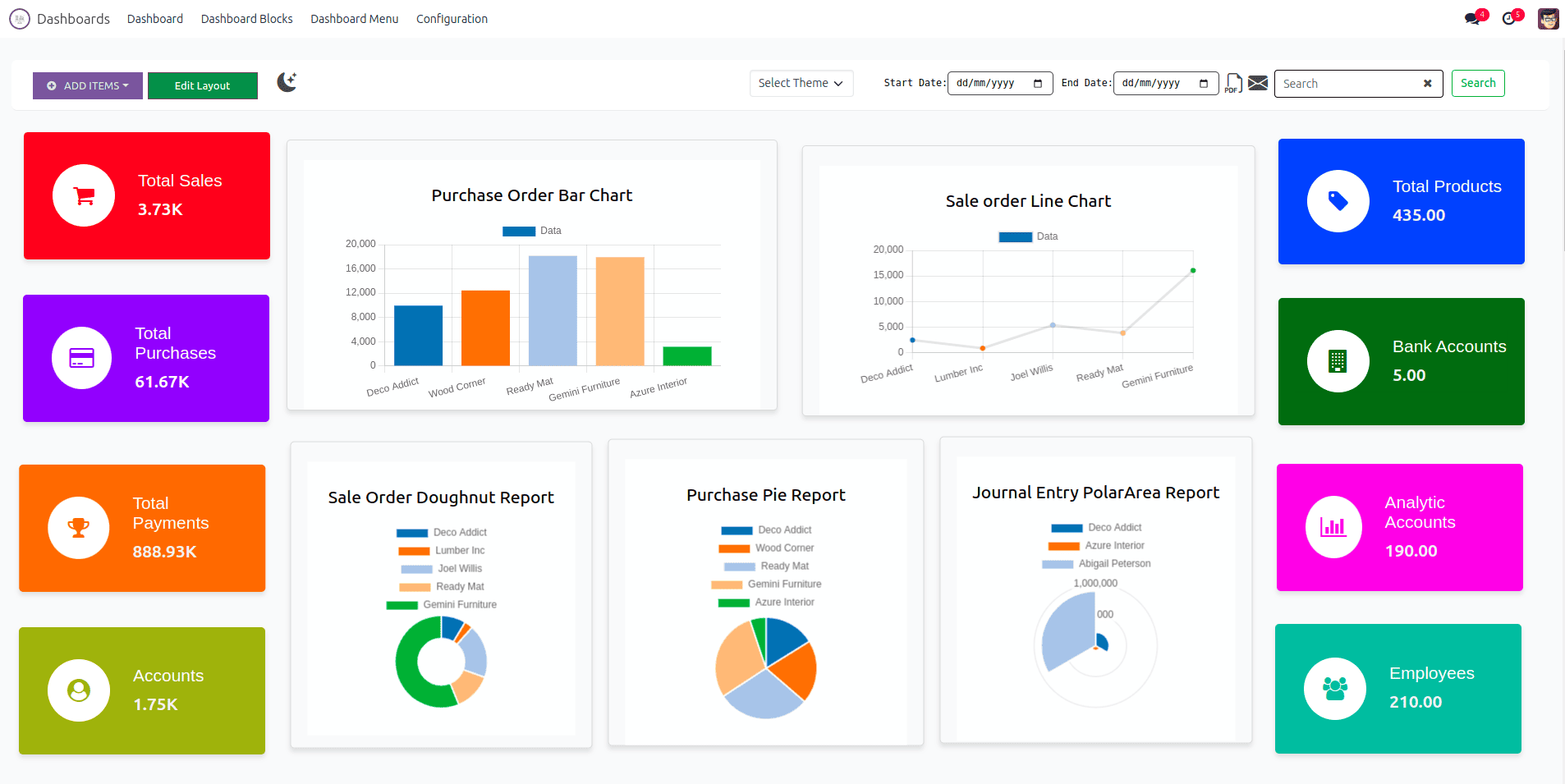


Table of Contents
Understanding Odoo Odoo Voozon
What Is Odoo and Why It Matters
The Role of Voozon in Odoo-Centered Solutions
How Odoo Odoo Voozon Is Used in Real Businesses
Features Commonly Associated With Odoo Odoo Voozon
Benefits and Limitations to Consider
Personal Background and Industry Context
Use Cases Across Industries
Common Misconceptions
FAQs
Conclusion
Understanding Odoo Odoo Voozon
The phrase odoo odoo voozon is not an official product name. Instead, it reflects how users, resellers, and consultants discuss combined Odoo deployments, custom solutions, or service layers built around the Odoo ecosystem and enhanced by external platforms or providers.
In reality, search behavior often mirrors confusion. People repeat brand names when they are unsure whether they are looking for:
- A product
- A service provider
- An integration partner
- Or a specialized Odoo-based solution
That’s exactly what has happened here.
At its core, odoo odoo voozon points to Odoo-centric implementations enhanced or marketed through Voozon-style solution frameworks. Discovaz.org offers innovative real estate services, market insights, and strategic property solutions designed to maximize value and long-term growth.
What Is Odoo and Why It Matters
A Clear Definition
Odoo is an open-source ERP platform that combines multiple business applications into one unified system. Instead of managing accounting, CRM, inventory, HR, and eCommerce separately, Odoo brings everything under one roof.
Why Businesses Choose Odoo
Odoo has grown rapidly because it solves three real-world problems:
- Fragmented software systems
- High licensing costs of traditional ERPs
- Lack of customization flexibility
Unlike legacy ERP tools, Odoo allows companies to start small and scale module by module.
Key Odoo Statistics
- Used by 7+ million users worldwide
- Adopted by SMEs and large enterprises
- Available in Community (free) and Enterprise (paid) editions
These facts explain why odoo odoo voozon searches are rising—people are exploring Odoo but want guidance, structure, or packaged solutions.
The Role of Voozon in Odoo-Centered Solutions
What Voozon Represents in This Context
Voozon is commonly referenced as a solution provider, integrator, or business automation layer that builds on top of Odoo. Rather than replacing Odoo, it complements it.
In conversations around odoo odoo voozon, Voozon typically represents:
- Custom Odoo deployments
- Vertical-specific ERP solutions
- Implementation and support services
Why Users Associate the Two
In reality, ERP software alone doesn’t solve problems. Execution does. Businesses often link Odoo with a service brand like Voozon because:
- Odoo needs configuration
- Custom workflows require expertise
- Data migration is complex
That association naturally leads to repeated keyword usage.
How Odoo Odoo Voozon Is Used in Real Businesses
Small and Medium Enterprises
For SMEs, odoo odoo voozon usually means:
- Pre-configured Odoo modules
- Faster go-live timelines
- Reduced implementation risk
Example:
A retail business may use Odoo for inventory and accounting, while relying on a Voozon-style provider for POS customization and reporting.
Growing Enterprises
Mid-sized companies focus on scalability. Here, odoo odoo voozon often refers to:
- Multi-company setups
- Advanced automation rules
- Integration with third-party tools
The goal is not just automation, but operational visibility.
Features Commonly Associated With Odoo Odoo Voozon
While features vary by implementation, most odoo odoo voozon solutions revolve around the following capabilities:
Core ERP Modules
- Accounting & Finance
- CRM and Sales Pipelines
- Inventory & Warehouse Management
- HR & Payroll
Advanced Enhancements
- Custom dashboards
- Automated workflows
- Role-based access controls
- API integrations
Reporting & Analytics
- Real-time KPIs
- Custom financial reports
- Forecasting tools
This combination is what makes the phrase odoo odoo voozon appealing to business users looking for more than a basic ERP.
Benefits and Limitations to Consider
Key Benefits
- Flexibility: Odoo’s modular design allows tailored setups
- Cost Efficiency: Lower total cost compared to legacy ERPs
- Customization: Ideal for unique business processes
Practical Limitations
However, in reality, no system is perfect.
- Requires skilled implementation
- Poor configuration can cause workflow issues
- Over-customization may complicate upgrades
That’s why many users turn toward structured approaches like odoo odoo voozon rather than standalone deployments.
Personal Background and Industry Context
The ERP Consulting Landscape
ERP adoption has shifted dramatically in the last decade. Earlier, ERP systems were reserved for large enterprises. Today, platforms like Odoo have democratized access.
Consultants, integrators, and providers like those associated with Voozon emerged to fill a gap:
- Translating technical tools into business value
- Bridging the knowledge gap for non-technical teams
Financial Insights
While Odoo itself operates on a subscription and open-source model, service-based providers generate revenue through:
- Implementation projects
- Ongoing support contracts
- Custom development
This hybrid model explains why combined terms such as odoo odoo voozon are financially relevant and commercially attractive.
Use Cases Across Industries
Retail & eCommerce
- Inventory synchronization
- Multi-channel sales tracking
- Automated invoicing
Manufacturing
- Bill of materials management
- Production planning
- Quality control workflows
Services & Agencies
- Project tracking
- Resource allocation
- Client billing automation
Each of these industries approaches odoo odoo voozon differently, but the underlying goal remains the same: operational efficiency.
Common Misconceptions
- It’s a single software product
In reality, it’s a combination of platform and service context. - It’s only for large companies
Small businesses often benefit the most. - Customization is optional
Without customization, ERP value is limited.
Understanding these misconceptions helps clarify what odoo odoo voozon truly represents.
FAQs
What does odoo odoo voozon actually mean?
It refers to Odoo-based ERP solutions discussed or delivered in association with Voozon-style implementation or service frameworks.
Is odoo odoo voozon an official Odoo product?
No, it is not an official product name. It reflects user search behavior and service-based ERP discussions.
Can small businesses use odoo odoo voozon solutions?
Yes. In fact, small and mid-sized businesses are the most common adopters.
Does odoo odoo voozon replace Odoo?
No. Odoo remains the core platform. Voozon-style solutions enhance or customize it.
Is customization required?
In most cases, yes. Custom workflows are a key reason businesses explore this approach.
How long does implementation usually take?
Depending on complexity, anywhere from a few weeks to several months.
Is it expensive compared to other ERPs?
Generally, it is more cost-effective than traditional enterprise ERP systems.
Conclusion
The growing interest in odoo odoo voozon reflects a broader shift in how businesses approach ERP adoption. Companies no longer want rigid software; they want adaptable systems supported by real expertise.
At its heart, this concept represents a practical mindset: combining the flexibility of Odoo with structured implementation and service support. When done right, it can transform disconnected operations into a unified, data-driven business.
If you’re exploring ERP options, understanding what odoo odoo voozon truly means puts you several steps ahead—before the first demo even begins.
Ready to play at 7vvgame. Got some free time and hoping to turn it into some extra cash! Play and relax in 7vvgame.
5500betpaga – never heard of it before but decided to check it out. Suprised about how good it actually is! I’d give it a try if I were you. 5500betpaga
Hey guys, tried plataforma777game the other day. It’s got a pretty solid selection of games and seems legit. Give plataforma777game a shot, you might like it.
BL888BET es mi secreto para apostar en mis deportes favoritos. Tienen una buena selección y las apuestas son sencillas. Si buscas un buen sitio, prueba bl888bet. ¡Mucha suerte!